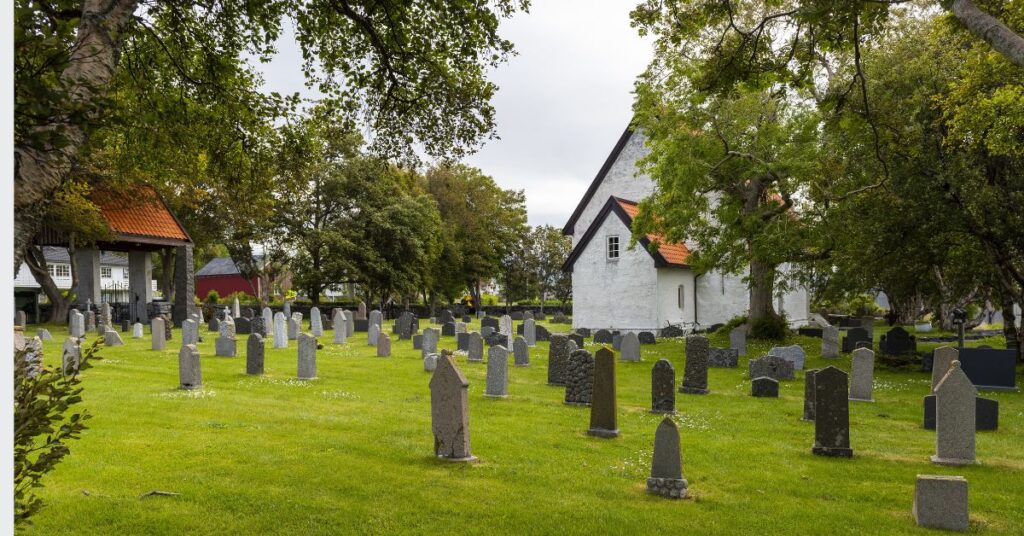

“Yanaka Cemetery” is one of the most serene and historical sites in Tokyo. The sprawling public cemetery located in the old district of Yanaka provides a quiet respite from the fast pace of modern-day Tokyo. Shaded tree-lined paths, antique tombstones, and the seasonal beauty that each period brings imbue the cemetery with a sense of tradition deeply tied to Japan.
Although it’s primarily for the famous cherry blossoms that draws visitors here initially, Yanaka Cemetery offers so much more than a mere place to stroll. It represents a reflection of the Tokyo of the past with its nearby temples, local streets, and old atmosphere preserved. As compared to bustling cities of bright lights and tall buildings, the old district presents a completely different atmosphere to the metropolis.
Historically, Yanaka Cemetery also holds significant meaning in terms of it housing thousands of graves, including famous Japanese political figures, artists and influential families of Japan in the old days. Visiting the cemetery allows visitors a tangible connection between history, memory and daily life in Tokyo.
Also Read: Breathtaking Mohri Garden Pond Creates Calm Escape
History of Yanaka Cemetery
Yanaka Cemetery dates back to the Meiji era in 1872. This was a period of major reform and rapid modernization in Japan. Before public cemeteries were built, burial sites were often affiliated with temples. Public cemeteries were then developed by city officials to accommodate larger public burial spaces. It became one of the most prominent sites for burial in the entire city of Tokyo.
Originally, the land itself was part of the Tennoji Temple which still exists adjacent to it today. In time, the burial site grew, to be considered an essential site for the burials of the citizens of Tokyo. Though much of Tokyo itself was transformed by relentless urban development, the cemetery maintained its historical layout and preserved atmosphere. This has helped to hold onto the old Japanese traditions within the metropolis.
The site has seen historical moments shaping its destiny throughout the ages. From earthquakes, wars to the rapid modernization, the district managed to remain relatively unchanged despite the changes to the rest of Tokyo. Today, many would describe Yanaka as the one place to see Tokyo before the city itself was overshadowed by modern skyscrapers and crowded commercialized centres.
The reason why it’s a relaxing place to visit:
The peaceful and meditative quality of the place is what captivates visitors. Long tree-lined paths provide shady routes with very quiet surroundings allowing for a peaceful walk. It is a surprise for it to be within one of the busiest and largest cities in the world and yet still remain quiet, free from noise and the usual urban clamor.
Its layout is another factor in its relaxed environment. The cemetery is designed in rows where tombstones and monuments stand amongst neat pathways, giving visitors plenty of space to wander through. Seasonal flowers, colorful autumn leaves and gentle sun rays contribute to the beauty of the place regardless of which time of year you are visiting. Many people spent hours simply walking through and enjoying the stillness and nature.
As compared to commercial attractions, Yanaka Cemetery encourages quiet reflection and the appreciation of history through its detailed tombstones, family mausoleums and carefully kept paths. The overall feel is one of reverence and not commercialisation, what makes it so memorable for travelers.
Sakura (Cherry blossom) season at Yanaka Cemetery
The month of spring truly makes Yanaka Cemetery a visually striking attraction in Tokyo. Cherry trees are lined along the main paths which will be filled with bright pink tunnels and are visited by countless photographers, artists, and tourists from around the world. The juxtaposition of the soft petals of the sakura with the old gravestones is unique to behold.
The much-known Sakura-dori pathway will be most crowded during the peak blossom period, where you will see Japanese couples, families and residents picnicking under the beautiful flowers. The best time to visit if you prefer an undisturbed visit would be early in the morning, or else, the dim light of evening will turn the pathways into a dramatic silhouette.
The spring blossoms also transform the emotional aspect of the cemetery. While graveyards naturally evoke solemn thoughts, the presence of the bright and new life brought by the cherry blossoms creates a sense of beauty and remembrance. The blend of death and life has a distinctive identity that will forever be etched in the visitors’ memories.
Also Read: Omoide Yokocho: A Stunning Journey Through Old Tokyo
Inspirational tombstones & influential individuals
Yanaka Cemetery is home to graves of some prominent Japanese figures including politicians, artists, scholars, and former leaders. Some of the most well-known people buried in this cemetery include Tokugawa Yoshinobu, the last shogunate to rule over Japan. History buffs are often drawn to the area to visit the tomb of this historic leader as well as pay respects to the former ruling class.
Many of the graves contain detailed stone carvings as well as the traditional Japanese design of memorial monuments. Some of the family mausoleums are plain and simple, while others seem to contain grander monuments perhaps because the person it is dedicated to was wealthy or influential. As visitors wander the cemetery, they can gain a better understanding of funeral and memorial culture in Japan.
Beyond the individual graves, this cemetery itself is part of history. During the 1800s, as Japan transitioned out of its feudal era and into a modern society, Tokyo underwent tremendous growth. These tombstones tell the stories of men, women, and families that lived through and influenced this period.
Yanaka District’s Old-World Charm
Adding even more ambiance to the cemetery is the surrounding Yanaka district. The narrow, winding streets are lined with small temples and traditional Japanese houses giving visitors a glimpse of old Tokyo that is not so readily available elsewhere. Visitors to the cemetery often make their rounds after taking in the sights of Yanaka or beforehand because of the way they complement each other.
Many of the shops and family run businesses scattered throughout the area give the region character that cannot be duplicated by tourist traps filled with souvenir sellers. Here you can find handmade goods, traditional Japanese snacks, and quiet cafés to stop at. This area feels less like a tourist stop and more like a neighborhood with a sense of community.
Most of this district avoided being destroyed during both the Second World War and much of the redevelopment that happened in subsequent years so it is possible to find remnants of old Tokyo tucked between modern buildings. Walking through Yanaka can be an educational and peaceful walk where you can imagine life as it was hundreds of years ago.
Significance of Culture in Japanese Society
Cemeteries in Japan are important places of reflection and remembrance. Many Japanese families visit their ancestors’ graves on a regular basis, tidying them and offering flowers and prayers, especially on holidays. They place great importance on family and on being remembered by future generations.
Yanaka Cemetery embodies these values by being accessible to the public where locals and tourists can witness family members cleaning and visiting the tombs of their relatives and ancestors. Here you get a real glimpse into the values of family honor and respect for those who have passed on before you.
The cemetery also showcases the Japanese ability to integrate natural spaces into a modern metropolis and highlights the value that is placed on reflection and remembering history within a society focused on progress and innovation. It is not difficult to see how it has become a favorite among travelers to the region because of its cultural and historical significance.
In this part, we discuss architecture and design.
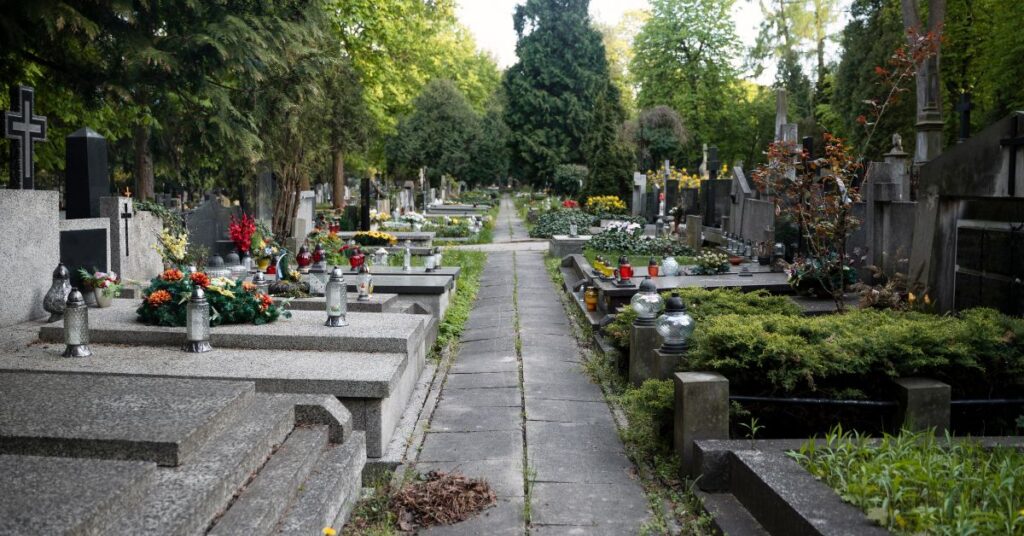
Within the cemetery itself you can see a wide range of different gravestones and monuments that show a multitude of architectural influences and time periods. Many traditional Japanese tombstones consist of vertical stones with the names of the deceased as well as various Buddhist phrases inscribed on them. Others may include a large stone Buddha or lantern that will be accompanied by a vase where flowers will be placed.
Wandering the grounds visitors will notice a well-laid-out network of pathways connecting various sections. These pathways are typically lined with mature trees that provide ample shade and bring an element of nature to the cemetery. Each area seems meticulously cared for, maintaining a sense of order and peace without feeling too manicured or detracting from the overall atmosphere of the cemetery.
Some of the nearby temples complement the atmosphere with traditional architecture. With their ornate roofs and carved wooden features, the temples seem an appropriate setting for an area that holds so much historical and personal meaning.
| Feature | Details |
| Established | 1872 |
| Location | Taito, Tokyo, Japan |
| Size | About 10 hectares |
| Number of Graves | Around 7,000 |
| Famous Burial | Tokugawa Yoshinobu |
| Best Visiting Season | Spring during cherry blossom bloom |
| Atmosphere | Quiet, historical, traditional |
Photo & Tour Appeal
Many photographers find the cemetery to be one of the most scenic sites within Tokyo. The mixture of ancient stone monuments, seasonal flowers and silent pathways offer photographic opportunities that change dramatically throughout the year. Spring is the busiest season due to the profusion of cherry blossom but autumn colours and winter scenery can also be strikingly beautiful.
For tourists visiting Japan it is a site of interest as an alternative to the more futuristic side of Tokyo. Visitors exchange bright neon lights and busy shopping districts for silence, history and traditional landscapes and many travellers report a spiritually calming effect of the visit.
The cemetery is also popular for those who appreciate history, architecture or local culture. Every part of the site tells us a part of Tokyo’s history. Whatever your interest – photography, culture, or just a peaceful walk-you’ll feel rewarded by the honesty of the place.
Best times to visit and travel tips
Spring is the most popular time to visit due to the cherry blossom but each season has its own appeal. The summer can offer verdant trees and warmth while the autumn covers pathways in fallen leaves, the winter gives a quiet and reflective atmosphere where there will be fewer visitors.
A morning visit is often the best time to travel for those looking for peace and excellent photography conditions as there are quieter, gentler light conditions early in the day. Comfortable shoes will also be an asset as many people spend many hours in the surrounding district.
Respectful behaviour must be demonstrated at all times. The site is an active memorial and visitors should be quiet and do not make any disruptive actions. Photos are acceptable, although it goes without saying that it is important to maintain an attitude of respect for the families and the memorial space itself.
Also Read: Ultimate Guide to Akihabara Electric Town Adventures
Conclusion
Yanaka cemetery is so much more than just a graveyard in Tokyo. It is a fascinating mixture of history, culture, architecture and beauty that many visitors never forget. Walking among the monuments there allows travellers to experience a tranquil, historical perspective of Japan which so many find contrasts with their preconceived notions of the country.
The peaceful atmosphere of the cemetery together with its world famous cherry blossom displays and its historical significance mean that the site is a popular destination for many different sorts of travellers. Its relation to traditional Tokyo culture gives the local district a certain timelessness which many modern cities find difficult to re-create and it is a fascinating place to explore and discover a wealth of history and memory.
Yanaka Cemetery provides an essential visit for any traveller who is looking for an authentic historical atmosphere and a cultural experience that can be found only in few other places within Tokyo. Each season paints it a new colour however the air of remembrance and historical importance will forever remain the same.
FAQs
1.Where is Yanaka Cemetery located?
Yanaka Cemetery is situated in Taito, Tokyo, Japan, near Nippori Station within the historic Yanaka district.
2.Why is Yanaka Cemetery famous?
Yanaka Cemetery is renowned for its picturesque cherry blossom-lined pathways, its long and rich history, and for housing the grave of Tokugawa Yoshinobu, the last shōgun of Japan.
3.Is Yanaka Cemetery free to visit?
Yes, admission to Yanaka Cemetery is free during its public opening hours.
4.What is the best season to visit?
The spring season is considered the most beautiful and popular time to visit due to the stunning appearance of cherry blossoms throughout the cemetery.
5.Can tourists take photographs there?
Photography is generally permitted, however visitors are asked to remain respectful due to it being an active memorial site.