
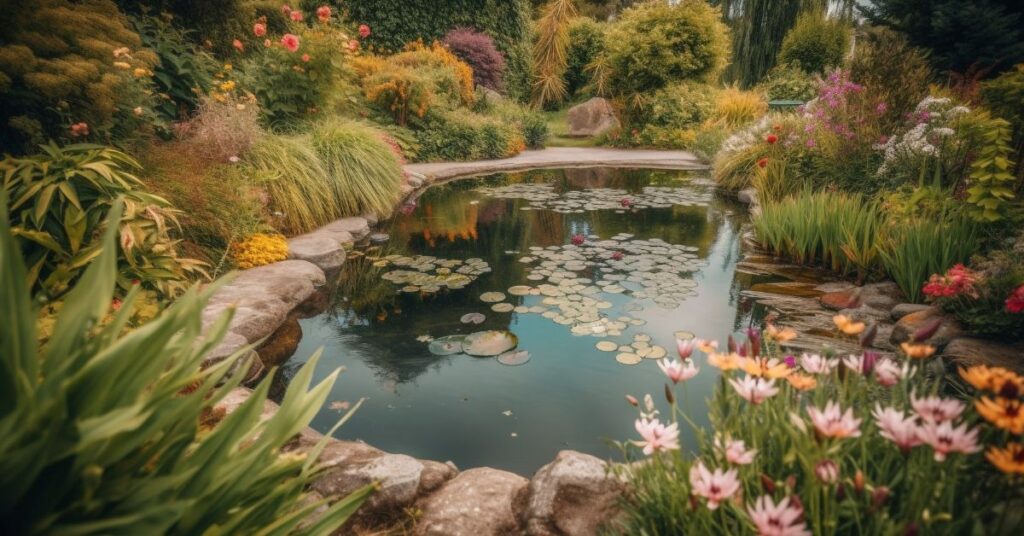

Mohri Garden Pond sits quietly in the heart of Tokyo’s Roppongi district, offering a peaceful contrast to the surrounding modern skyline. This scenic water feature is the centerpiece of Mohri Garden, a traditional Japanese landscape garden that has been preserved and integrated into one of the city’s most contemporary urban developments. The pond is not just a decorative element; it is the soul of the garden, shaping how visitors move, observe, and experience the space. Its still waters reflect seasonal changes, nearby greenery, and the towering buildings beyond, creating a visual dialogue between past and present.
The charm of Mohri Garden Pond lies in its ability to slow down time for those who visit. While Roppongi is known for its energy, nightlife, and business activity, stepping into the garden feels like entering a different world. The pond’s gentle ripples, koi fish gliding beneath the surface, and carefully arranged stones help create an atmosphere of calm reflection. Visitors often find themselves pausing longer than expected, simply observing how light interacts with water and foliage.
Beyond its beauty, Mohri Garden Pond represents a thoughtful integration of nature into urban life. It is not an isolated natural feature but part of a carefully designed ecosystem that connects pathways, hills, and waterfalls within the garden. This harmony between human design and natural elements is what makes the pond such an enduring attraction for both locals and international travelers.
Also Read: Omoide Yokocho: A Stunning Journey Through Old Tokyo
Historical Background and Origins of Mohri Garden Pond
The origins of Mohri Garden Pond trace back to the Edo period, when the land served as the residence of the Mōri family, a powerful feudal clan. During this time, Japanese daimyo gardens were designed not only for beauty but also for reflection, political gatherings, and seasonal appreciation. The pond was constructed as the central feature of the estate, symbolizing purity, continuity, and the flow of life. Its design followed traditional principles that emphasized natural asymmetry and borrowed scenery from the surrounding hills.
As centuries passed, the area underwent significant transformation. Urban development gradually replaced many historical estates in Tokyo, yet the garden and its pond were preserved due to their cultural value. When Roppongi Hills was developed, planners made a conscious decision to restore and integrate Mohri Garden Pond into the modern complex rather than remove it. This decision ensured that a piece of Edo-era landscape architecture would continue to exist within one of Tokyo’s most advanced urban districts.
Today, the pond stands as a living historical artifact. While skyscrapers now surround it, the water feature still reflects the design philosophy of its original creators. It serves as a reminder that even in rapidly changing cities, historical spaces can be preserved and reimagined without losing their essence. The continuity of Mohri Garden Pond across centuries makes it more than a scenic attraction; it is a bridge between eras.
Design Philosophy and Landscape Elements of Mohri Garden Pond
The design of Mohri Garden Pond follows the principles of traditional Japanese garden architecture, where every stone, plant, and water flow is intentionally placed to create harmony. Unlike Western-style ornamental ponds that often emphasize symmetry, this pond embraces natural irregularity. Its edges are curved rather than straight, allowing the water to feel organic and integrated with the surrounding terrain. The result is a landscape that feels both carefully composed and naturally evolved.
Water plays a central role in the overall design. Streams feed into the pond from small waterfalls, creating subtle movement that prevents the surface from becoming static. This continuous flow symbolizes renewal and the passage of time. Around the pond, vegetation is arranged to reflect seasonal changes, ensuring that the landscape evolves throughout the year. Rocks are placed to guide the viewer’s eye and create visual balance without overwhelming the natural beauty of the water.
The following table highlights key design elements of Mohri Garden Pond and their symbolic meanings:
| Design Element | Description | Symbolic Meaning |
|---|---|---|
| Pond Shape | Irregular, natural curves | Harmony with nature |
| Water Flow | Streams and small waterfalls feeding the pond | Continuity and renewal |
| Rocks Arrangement | Strategically placed natural stones | Stability and balance |
| Vegetation Layers | Seasonal trees and shrubs | Change and impermanence |
| Reflection Surface | Calm water reflecting surroundings | Mindfulness and introspection |
Each of these elements works together to create a unified experience. Rather than standing out individually, they blend into a cohesive environment where visitors can experience subtle beauty. The pond is designed not to dominate attention but to gently guide it.
Seasonal Beauty and Changing Atmosphere
One of the most captivating aspects of Mohri Garden Pond is how dramatically it changes with the seasons. In spring, cherry blossoms around the pond create a soft pink reflection on the water’s surface. The scene feels delicate and fleeting, attracting visitors who wish to witness the brief but iconic bloom period. The pond becomes a mirror of renewal, symbolizing fresh beginnings and natural cycles.
During summer, the garden transforms into a lush green retreat. The trees surrounding Mohri Garden Pond grow dense and vibrant, offering shade and coolness even in Tokyo’s warm climate. The water appears deeper and more reflective under strong sunlight, and the sound of flowing streams becomes more noticeable as the garden fills with life. It is a season of fullness and energy, where nature feels at its most active.
Autumn and winter bring entirely different moods. In autumn, the foliage turns shades of red, orange, and gold, creating a warm contrast against the pond’s cool surface. Winter, on the other hand, strips the garden down to its essential structure. Bare branches reflect in the water, and occasional frost adds a quiet stillness. Across all seasons, Mohri Garden Pond remains a constant presence, adapting its beauty rather than losing it.
Visitor Experience and Surroundings
Visiting Mohri Garden Pond offers an experience that blends relaxation with subtle exploration. The pathways around the pond are designed for slow walking, encouraging visitors to take in different perspectives. From certain angles, the pond appears expansive and open, while from others it feels intimate and enclosed by nature. This shifting perception keeps the experience dynamic even within a relatively small space.
The surrounding area of Roppongi Hills adds another layer to the experience. Just outside the garden, visitors encounter shopping centers, restaurants, and observation decks. This contrast makes Mohri Garden Pond even more striking, as it offers a quiet escape within a highly developed urban environment. Many people visit the garden specifically to take a break from the fast pace of the city.
The atmosphere around the pond is also shaped by wildlife. Koi fish glide beneath the surface, while birds occasionally visit the trees and water edges. These living elements enhance the sense of natural balance. Visitors often find that even short stays near the pond leave a lasting impression, as the environment encourages reflection and mental relaxation.
Cultural Significance and Modern Relevance of Mohri Garden Pond
Mohri Garden Pond holds deep cultural meaning rooted in Japanese aesthetics and philosophy. It reflects the principle of wabi-sabi, which values imperfection, impermanence, and simplicity. The pond’s irregular shape and natural materials embody this philosophy, showing that beauty does not require artificial symmetry or excessive decoration.
In a modern context, the pond also represents the importance of preserving green spaces within urban environments. As cities expand, natural landscapes often disappear, but Mohri Garden Pond demonstrates how historical and ecological preservation can coexist with development. It serves as a model for integrating heritage sites into contemporary city planning without diminishing their original character.
For many visitors, the pond is more than a visual attraction; it is a place for mental reset. In a city known for its speed and density, the calm presence of water and greenery offers emotional balance. This relevance continues to grow as urban populations seek accessible spaces for rest, reflection, and connection with nature.
Also Read: Ultimate Guide to Akihabara Electric Town Adventures
Preservation and Future Outlook of Mohri Garden Pond
The preservation of Mohri Garden Pond is an ongoing effort that involves careful maintenance of water quality, vegetation, and structural integrity. Garden specialists regularly manage plant growth, ensure the health of aquatic life, and maintain the natural flow of water systems. These efforts are essential to preserving both the visual appeal and ecological balance of the pond.
At the same time, future planning focuses on maintaining accessibility while protecting the garden’s historical identity. As visitor numbers increase, careful measures are taken to prevent environmental stress. The challenge lies in balancing public enjoyment with long-term conservation, ensuring that the pond remains intact for future generations.
Looking ahead, Mohri Garden Pond is likely to remain a symbol of harmony between tradition and modernity. Its continued presence within Tokyo’s evolving skyline highlights the possibility of coexistence between nature and urban life. As long as it is preserved with care, it will continue to inspire visitors with its quiet strength and timeless beauty.
Conclusion
Mohri Garden Pond stands as a rare example of how history, nature, and modern city life can exist in perfect balance. Its serene waters, seasonal transformations, and cultural depth make it far more than a simple garden feature. It is a living landscape that tells a story of time, resilience, and thoughtful design. In the midst of Tokyo’s rapid pace, the pond offers a moment of stillness that feels both grounding and refreshing.
Its significance extends beyond aesthetics. It reminds visitors that even in the most developed urban environments, nature can be preserved and respected. The experience of standing beside Mohri Garden Pond often leaves a quiet impression—one that lingers long after leaving the garden. It is a place where reflection feels natural, and where simplicity reveals its deepest beauty.
Ultimately, Mohri Garden Pond is not just a destination but an experience of balance. It invites people to slow down, observe, and reconnect with a more natural rhythm of life, making it one of Tokyo’s most meaningful hidden retreats.
FAQs
1. What is Mohri Garden Pond known for?
It is known for being the central feature of Mohri Garden in Tokyo, combining traditional Japanese landscape design with a peaceful natural setting.
2. Where is Mohri Garden Pond located?
It is located in the Roppongi Hills area of Tokyo, Japan, within a modern urban complex.
3. Can visitors walk around Mohri Garden Pond?
Yes, visitors can walk along pathways surrounding the pond and enjoy different scenic views from multiple angles.
4. Does Mohri Garden Pond change with seasons?
Yes, it changes dramatically with seasons, offering cherry blossoms in spring, greenery in summer, colorful leaves in autumn, and calm minimal beauty in winter.
5. Why is Mohri Garden Pond culturally important?
It reflects traditional Japanese garden philosophy and demonstrates how historical landscapes can be preserved within modern cities.