
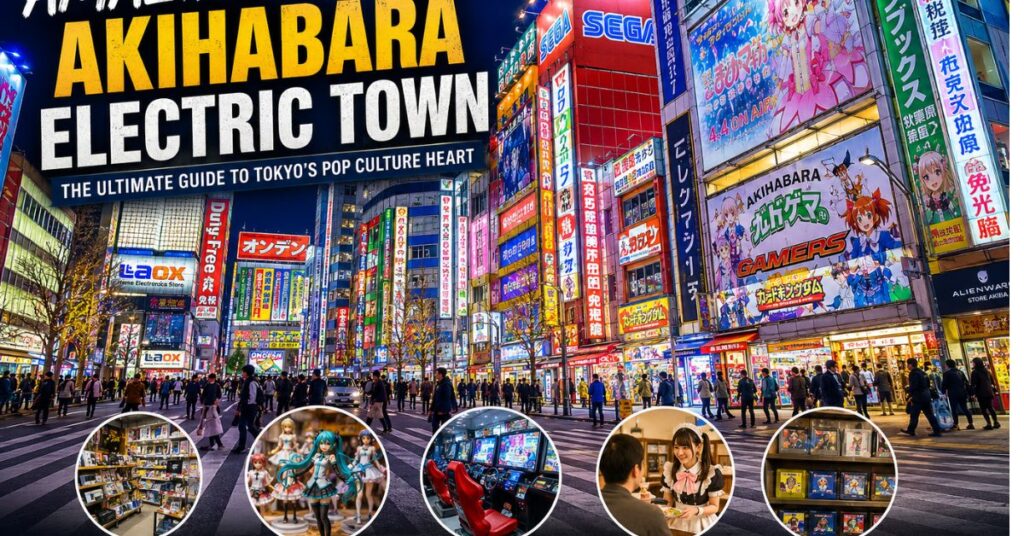

Akihabara Electric Town stands as one of Japan’s most fascinating urban destinations. Located in Tokyo, this energetic district attracts millions of visitors every year with its unique blend of technology, entertainment, gaming culture, anime merchandise, and nostalgic charm. What began as a post-war electronics market has transformed into a colorful neighborhood where futuristic trends meet traditional Japanese enthusiasm for innovation and creativity.
For travelers visiting Japan, this area often becomes more than just a shopping district. The glowing neon signs, crowded arcades, themed cafés, and endless rows of specialty stores create an atmosphere unlike anywhere else in the world. Whether someone is passionate about retro gaming, modern gadgets, collectible figures, or Japanese pop culture, the streets of this famous district provide endless opportunities for exploration and discovery.
Beyond the visual excitement, the neighborhood also tells an important story about Japan’s technological growth and cultural evolution. Over the decades, the area adapted to changing trends while maintaining its energetic spirit. Today, visitors can experience a remarkable combination of history, commerce, and entertainment all within a few busy city blocks.
The History Behind Akihabara Electric Town
The origins of Akihabara Electric Town can be traced back to the years following World War II. During that difficult period, many small vendors gathered around the railway tracks to sell electronic parts and radio equipment. The district quickly became known as a reliable place for affordable appliances and technical goods. Shoppers from across Tokyo traveled there to repair radios, buy wiring materials, and explore the latest inventions available in Japan’s rebuilding economy.
As Japan entered a period of rapid economic growth during the 1950s and 1960s, the neighborhood expanded dramatically. Larger electronics retailers opened stores beside the smaller independent sellers, creating a lively commercial environment that drew hobbyists, engineers, and curious consumers alike. The rise of televisions, cassette players, and home appliances helped establish the area as the nation’s most famous electronics marketplace.
By the 1990s, changing consumer interests began shaping the district in new ways. Anime, video games, computers, and manga culture started dominating store displays. This transformation brought younger audiences into the area and introduced international travelers to Japanese pop culture. While technology remains a core part of its identity, the neighborhood evolved into a global symbol of creativity and entertainment.
The Vibrant Streets and Atmosphere
Walking through Akihabara Electric Town feels like entering a futuristic world filled with bright lights and nonstop energy. Massive billboards cover tall buildings while music and advertisements echo through the streets. Every corner offers something different, from tiny retro game shops to giant multi-floor electronics stores packed with the newest gadgets and accessories.
The district becomes especially lively during evenings when neon signs illuminate the streets in dramatic colors. Visitors often pause to admire the visual chaos that somehow feels perfectly organized. Crowds move between arcades, cafés, and shopping centers while photographers capture the iconic urban scenery that has become famous worldwide. The atmosphere creates a sense of excitement even for travelers who arrive without specific shopping plans.
Despite the modern appearance, the area also maintains a surprisingly welcoming character. Store employees often greet customers enthusiastically, and many shops display products in creative ways that encourage browsing. Whether someone spends hours exploring or simply walks through the neighborhood for a short visit, the district leaves a memorable impression because of its unmatched combination of entertainment and energy.
Anime and Pop Culture Influence
One of the defining features of Akihabara Electric Town is its deep connection to anime and manga culture. Countless stores specialize in collectible figures, comic books, posters, costumes, and merchandise related to popular Japanese series. Fans from around the world visit the area hoping to find rare items or experience the atmosphere they have seen in films, television shows, and online videos.
The influence of Japanese pop culture extends far beyond shopping. Giant character advertisements decorate buildings, themed music plays outside stores, and promotional events regularly take place throughout the district. Some shops dedicate entire floors to specific genres or franchises, creating immersive experiences for visitors. The area has become a gathering point where fans can celebrate their favorite stories and connect with others who share similar interests.
This cultural identity also contributes to the neighborhood’s international popularity. Travelers who may not initially know much about anime often become fascinated by the creativity and enthusiasm surrounding it. The district represents how entertainment can shape an entire urban environment, turning ordinary shopping streets into a destination filled with imagination and artistic expression.
| Attraction Type | What Visitors Can Expect | Popular Appeal |
|---|---|---|
| Electronics Stores | Gadgets, computers, cameras, accessories | Technology enthusiasts |
| Anime Shops | Figures, manga, collectibles | Anime and manga fans |
| Gaming Arcades | Rhythm games, claw machines, retro games | Gamers and tourists |
| Maid Cafés | Themed dining experiences | Curious travelers |
| Retro Markets | Vintage consoles and classic devices | Collectors and nostalgia lovers |
Gaming Culture and Arcades
Gaming culture plays a major role in the identity of Akihabara Electric Town. Multi-story arcades filled with flashing screens and energetic sounds attract players of all ages. These entertainment centers offer everything from rhythm games and racing simulators to fighting competitions and claw machines loaded with prizes. For many visitors, stepping into these arcades becomes one of the highlights of their Tokyo experience.
Retro gaming also remains extremely popular within the district. Specialized shops sell vintage consoles, classic cartridges, and rare imported titles that are difficult to find elsewhere. Collectors often spend hours searching through shelves filled with gaming history while discussing favorite titles with store owners and fellow enthusiasts. This appreciation for older games creates a nostalgic atmosphere that balances the district’s futuristic image.
Competitive gaming communities frequently gather in these arcades to challenge one another and celebrate their shared passion. Skilled players demonstrate impressive techniques while crowds watch intense matches unfold. Even visitors who are not experienced gamers often enjoy observing the excitement and dedication surrounding these spaces, which feel both competitive and welcoming at the same time.
Technology and Electronics Shopping
Technology remains deeply connected to the district’s identity despite the rise of anime and gaming culture. Large electronics retailers continue to attract shoppers searching for cameras, computers, smartphones, headphones, and household devices. Many stores carry products that are released first in Japan, giving visitors the opportunity to explore innovations before they become available internationally.
The shopping experience itself feels exciting because of the enormous variety available. Entire buildings are dedicated to electronics, with each floor focusing on a different category of products. Visitors can compare dozens of camera models, browse mechanical keyboards, or test high-end audio equipment within a single location. This level of specialization makes the district especially appealing for technology enthusiasts.
Smaller independent shops also contribute to the area’s charm. These businesses often sell unique parts, vintage electronics, and niche accessories that larger retailers may not carry. Browsing through narrow aisles packed with unusual gadgets creates a treasure-hunting experience that many visitors find unforgettable. The blend of massive stores and hidden specialty shops gives the neighborhood its distinctive personality.
Unique Cafés and Entertainment Venues
Themed cafés have become another famous attraction within Akihabara Electric Town. Among the most recognized are maid cafés, where servers dressed in elaborate costumes interact playfully with guests while serving food and drinks. These establishments offer a uniquely Japanese form of entertainment that combines hospitality, performance, and fantasy-inspired design.
In addition to maid cafés, the district includes many other themed venues inspired by anime, gaming, and fantasy concepts. Some cafés recreate scenes from popular series while others focus on specific hobbies or artistic styles. Visitors often choose these locations not simply for meals but for the immersive experiences they provide. The attention to detail in decorations, music, and presentation creates memorable moments for travelers seeking something different from ordinary restaurants.
Entertainment extends beyond dining as well. Live performances, idol events, and cosplay gatherings regularly take place throughout the neighborhood. These activities contribute to the district’s dynamic atmosphere and encourage visitors to engage with Japanese entertainment culture in interactive ways. The result is a destination where shopping and performance blend together seamlessly.
The Best Time to Visit the District
Akihabara Electric Town can be visited throughout the year, but different seasons offer unique experiences. Spring attracts large crowds because of Japan’s pleasant weather and cherry blossom season. During this period, visitors can comfortably explore the streets while combining their trip with sightseeing across Tokyo. The lively atmosphere feels especially vibrant during holiday periods and weekends.
Summer brings festivals and extended evening activity, making the district feel even more energetic after dark. Although temperatures can become hot and humid, many travelers enjoy the illuminated nightlife and bustling arcades that remain active late into the evening. Air-conditioned shopping centers also provide relief from the outdoor heat while allowing visitors to continue exploring comfortably.
Autumn and winter create a slightly calmer environment while still maintaining the district’s excitement. Cooler temperatures make walking more pleasant, and seasonal decorations add visual charm to the streets. Winter evenings are particularly beautiful because the neon lights stand out dramatically against the darker skies. Each season offers a slightly different perspective on the neighborhood’s atmosphere.
Why Tourists Love Akihabara Electric Town
Tourists are drawn to Akihabara Electric Town because it delivers experiences that feel entirely unique to Japan. The district combines entertainment, technology, shopping, and creativity within a relatively compact area, making it easy for visitors to spend an entire day exploring without becoming bored. Every street seems to reveal another surprising attraction or hidden specialty store.
Many travelers also appreciate how the area reflects modern Japanese culture. Rather than presenting only historical landmarks or traditional attractions, the district showcases contemporary interests that continue shaping global entertainment trends. Visitors gain insight into anime fandom, gaming communities, and technological innovation while enjoying a highly interactive travel experience.
Another reason for its popularity is the sense of freedom and curiosity the neighborhood encourages. People can browse stores casually, participate in arcade games, photograph colorful streets, and discover unusual products without following a strict itinerary. This spontaneous atmosphere makes the district appealing to both dedicated fans and first-time visitors who simply want to experience something unforgettable.
Conclusion
Akihabara Electric Town represents far more than a shopping destination in Tokyo. It is a cultural landmark where technology, entertainment, creativity, and community all intersect in fascinating ways. From its humble beginnings as a post-war electronics market to its modern identity as a global center for anime and gaming culture, the district continues evolving while preserving its energetic spirit.
Visitors are often surprised by how immersive the experience becomes once they arrive. The glowing streets, crowded arcades, themed cafés, and endless specialty stores create an atmosphere filled with excitement and discovery. Every visit offers something different, whether it involves finding a rare collectible, trying an arcade game for the first time, or simply walking through the illuminated streets at night.
For anyone interested in Japanese culture, modern entertainment, or technological innovation, this district remains one of the most memorable destinations in the world. Its ability to blend nostalgia with futuristic energy ensures that travelers continue returning year after year. Akihabara Electric Town is not simply a place to shop; it is a vibrant experience that captures the imagination and leaves lasting memories long after the journey ends.
FAQs
1. What is Akihabara Electric Town famous for?
It is famous for electronics shopping, anime culture, gaming arcades, manga stores, collectible figures, and themed cafés.
2. Is Akihabara Electric Town suitable for families?
Yes, many families visit the area to enjoy arcades, technology stores, and entertainment attractions, though some themed venues are more adult-oriented.
3. How much time should visitors spend there?
Most travelers spend at least half a day exploring the district, while dedicated gamers and anime fans often stay for a full day.
4. Are products cheaper in Akihabara?
Some electronics and collectibles can be competitively priced, especially compared to international markets, though prices vary by store.
5. Can non-anime fans enjoy Akihabara Electric Town?
Absolutely. The district offers technology shopping, photography opportunities, unique cafés, and a lively urban atmosphere that appeals to many visitors.