
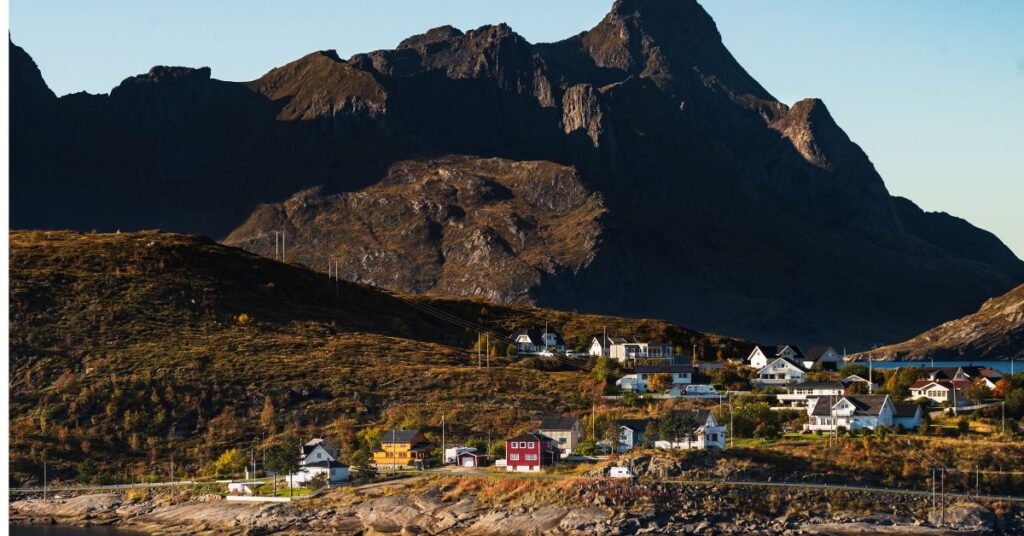

Reykjavík Iceland is one of the most fascinating destinations in Northern Europe. Surrounded by dramatic landscapes, volcanic terrain, icy coastlines, and colorful neighborhoods, the city offers visitors a blend of modern comfort and untouched natural beauty. Travelers often arrive expecting freezing temperatures and quiet streets, but they quickly discover a lively capital filled with creativity, warmth, and unforgettable scenery.
As the capital of Iceland, Reykjavík serves as the cultural and social heart of the country. Despite its relatively small size compared to other world capitals, the city has a strong personality that leaves a lasting impression. Cozy cafés, impressive architecture, vibrant street art, and welcoming locals all contribute to its unique charm. The city also acts as the perfect gateway to glaciers, waterfalls, lava fields, and geothermal wonders.
Many visitors are drawn to Reykjavík because it offers something different from typical city vacations. Instead of crowded skyscrapers and busy traffic, people experience fresh ocean air, peaceful streets, and breathtaking views in every direction. Whether someone is searching for adventure, relaxation, or cultural discovery, this northern destination delivers an experience unlike any other.
The Unique History of Reykjavík Iceland
The history of Reykjavík Iceland dates back more than a thousand years and begins with the arrival of Norse settlers. According to Icelandic tradition, the first permanent settler was Ingólfur Arnarson, who established his home in the area during the ninth century. The region gained its name from the steam rising from nearby geothermal springs, which inspired the term meaning “Smoky Bay.” Over time, the settlement slowly developed into the nation’s political and cultural center.
During the eighteenth and nineteenth centuries, Reykjavík experienced significant growth as trade and administration expanded throughout Iceland. Small fishing communities transformed into organized neighborhoods, and educational institutions helped shape the city’s intellectual identity. The construction of government buildings and public services strengthened its role as the capital. While many European cities grew rapidly through industrialization, Reykjavík maintained a closer relationship with nature and traditional Icelandic life.
Modern Reykjavík reflects both its ancient roots and progressive spirit. Historic homes stand beside contemporary structures, creating a balance between past and present. Museums throughout the city preserve stories of Viking exploration, maritime traditions, and national independence. This connection to heritage remains deeply important to local residents, making the city feel authentic rather than overly commercialized.
Natural Beauty Around Reykjavík Iceland
One of the most remarkable aspects of Reykjavík Iceland is the stunning environment surrounding the city. Snow-covered mountains rise in the distance while the Atlantic Ocean stretches along the coastline. Even within the city itself, visitors can enjoy peaceful walking paths, scenic waterfront views, and open green spaces. Nature is not separated from urban life here; instead, it exists as part of everyday living.
The nearby geothermal areas create an atmosphere unlike almost anywhere else in the world. Hot springs, steaming vents, and warm lagoons offer visitors a chance to experience Iceland’s volcanic energy firsthand. Many travelers enjoy soaking in naturally heated pools while surrounded by cold air and dramatic landscapes. This contrast between fire and ice gives the region a magical quality that captures the imagination.
Wildlife also adds to the beauty of the area. Whale-watching tours departing from the harbor often provide sightings of humpback whales, dolphins, and seabirds. During winter months, many visitors travel outside the city to witness the Northern Lights dancing across the sky. Summer brings nearly endless daylight, allowing travelers to explore late into the evening under the famous midnight sun.
Culture and Daily Life in Reykjavík Iceland
Life in Reykjavík Iceland combines Nordic simplicity with strong artistic expression. Residents value community, creativity, and environmental awareness, which can be seen throughout the city. Public spaces are clean and thoughtfully designed, while local businesses often emphasize sustainability and quality craftsmanship. Visitors frequently notice the relaxed pace of life and the friendly attitude of local people.
Music and art play a central role in the city’s identity. Reykjavík has produced internationally recognized musicians and continues to support a thriving cultural scene. Small music venues, galleries, and festivals create opportunities for artists to share their work with both locals and tourists. Colorful murals decorate building walls, adding personality and energy to many neighborhoods.
Traditional Icelandic customs remain important despite the city’s modern appearance. Storytelling, literature, and folklore continue to influence local culture. Many residents grow up hearing legends about elves, trolls, and hidden people connected to the landscape. These stories contribute to the sense of mystery and wonder that surrounds Icelandic life and make cultural experiences even more memorable for visitors.
Top Attractions in Reykjavík Iceland
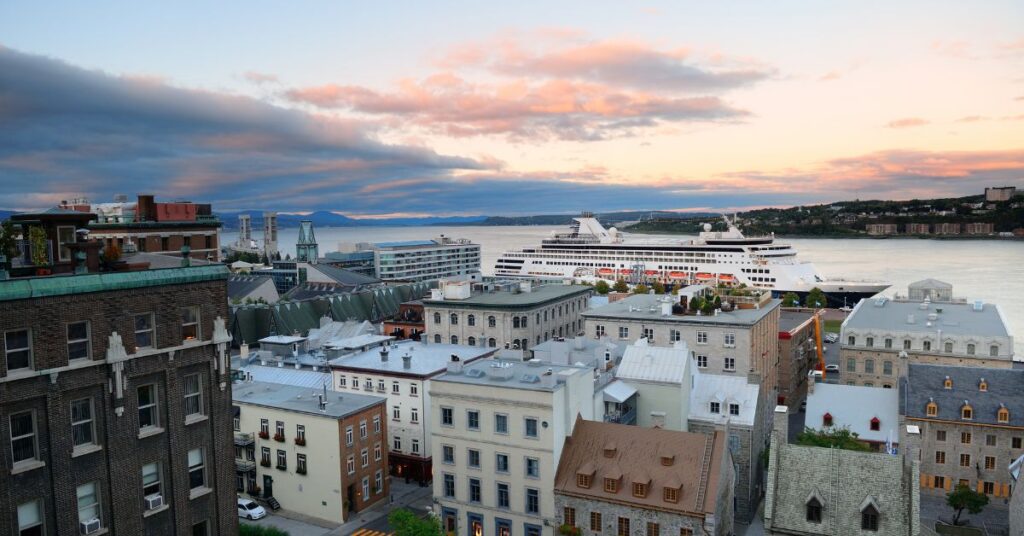
Travelers exploring Reykjavík Iceland quickly discover a wide range of memorable attractions. Hallgrímskirkja Church is among the city’s most recognizable landmarks, rising above the skyline with its striking architectural design inspired by volcanic basalt columns. Visitors can ride an elevator to the top for panoramic views of colorful rooftops, surrounding mountains, and the ocean beyond.
Another popular destination is Harpa Concert Hall, a modern glass building located by the waterfront. Its geometric exterior reflects sunlight beautifully throughout the day and creates a stunning visual effect at night. The venue hosts concerts, cultural events, and performances that highlight Iceland’s artistic talent. Nearby walking paths allow visitors to enjoy sea views while exploring the harbor area.
The city also offers several excellent museums that provide insight into Icelandic history and culture. Institutions dedicated to Viking heritage, maritime traditions, and natural wonders help visitors better understand the nation’s identity. Travelers interested in local cuisine can explore food markets and traditional restaurants that serve fresh seafood, lamb dishes, and famous Icelandic pastries.
| Attraction | Main Feature | Best Time to Visit |
|---|---|---|
| Hallgrímskirkja | Panoramic city views | Morning |
| Harpa Concert Hall | Modern architecture | Evening |
| Sun Voyager | Scenic photography spot | Sunset |
| National Museum | Icelandic history | Afternoon |
| Old Harbor | Whale watching tours | Summer |
Weather and Seasonal Experiences
The climate in Reykjavík Iceland changes dramatically throughout the year, creating unique seasonal experiences for travelers. Winter brings snowy landscapes, long nights, and opportunities to see the Northern Lights. Although temperatures can feel cold, the weather is often milder than many people expect because of the influence of the Atlantic Ocean. Warm clothing and layered outfits help visitors stay comfortable while exploring.
Spring and summer transform the city into a bright and energetic destination. Flowers bloom across parks and gardens, outdoor cafés become lively gathering places, and daylight lasts for incredibly long hours. During midsummer, the sun barely sets, allowing people to enjoy sightseeing almost around the clock. Hiking, road trips, and outdoor festivals become especially popular during this season.
Autumn offers a quieter atmosphere with colorful scenery and cooler temperatures. The changing leaves add beauty to the landscape while tourist crowds begin to decrease. Many travelers enjoy this balance between accessibility and tranquility. Seasonal transitions are dramatic in Iceland, making every visit feel different depending on the time of year.
Food and Culinary Traditions
Food in Reykjavík Iceland reflects the country’s natural environment and resourceful traditions. Fresh seafood plays an important role in local cuisine, with cod, salmon, and Arctic char appearing on many restaurant menus. Lamb is another beloved ingredient because Icelandic sheep roam freely across open landscapes, producing flavorful meat that locals value highly.
Traditional dishes often surprise international visitors. Fermented shark, dried fish, and rye bread baked using geothermal heat demonstrate the creativity of Icelandic cooking methods. While some traditional foods may seem unusual at first, they provide insight into how earlier generations adapted to harsh environmental conditions. Many restaurants now combine classic ingredients with modern culinary techniques to create exciting dining experiences.
Coffee culture is also strong throughout the city. Cozy cafés offer warm drinks, homemade pastries, and comfortable spaces where people gather to socialize or relax during colder months. Travelers often appreciate the calm atmosphere and attention to detail found in Reykjavík’s dining scene. Even small cafés tend to focus on quality ingredients and welcoming service.
Outdoor Adventures Near Reykjavík Iceland
Adventure seekers visiting Reykjavík Iceland have access to countless outdoor activities within a short distance from the city. Guided tours take visitors to glaciers, waterfalls, volcanoes, and black sand beaches that showcase the country’s dramatic natural beauty. Many travelers choose Reykjavík as their starting point for exploring Iceland’s famous Golden Circle route.
Hiking opportunities are available throughout the region for both beginners and experienced explorers. Trails pass through lava fields, geothermal valleys, and mountain landscapes that feel almost otherworldly. Some routes lead to hidden waterfalls or natural hot springs where hikers can relax after long walks. The raw beauty of the environment creates unforgettable memories for outdoor enthusiasts.
Water-based adventures are equally popular. Whale watching, kayaking, and coastal boat tours provide unique perspectives of Iceland’s marine environment. Winter visitors may also participate in glacier walks, ice cave tours, or snowmobile excursions. The close connection between the city and surrounding wilderness makes Reykjavík especially attractive for travelers seeking both comfort and adventure.
Why Travelers Love Reykjavík Iceland
Visitors often describe Reykjavík Iceland as one of the most welcoming destinations they have ever experienced. The city’s smaller size makes it easy to navigate, reducing the stress commonly associated with major tourist capitals. Travelers can walk between attractions, discover hidden cafés, and enjoy scenic views without feeling rushed or overwhelmed.
Safety and cleanliness also contribute to the city’s appeal. Iceland consistently ranks among the safest countries in the world, giving visitors peace of mind while exploring both urban areas and remote landscapes. Public transportation is reliable, streets are well maintained, and residents generally show respect for nature and public spaces. This creates a calm atmosphere that many travelers find refreshing.
Another reason people fall in love with Reykjavík is the emotional impact of the scenery. Whether watching the Northern Lights, standing beside a roaring waterfall, or relaxing in a geothermal lagoon, visitors often feel deeply connected to the environment. The combination of natural beauty, cultural richness, and peaceful living creates a travel experience that stays in memory long after the journey ends.
Conclusion
Reykjavík Iceland is far more than a simple travel destination. It is a place where modern city life blends seamlessly with dramatic natural landscapes, creating experiences that feel both exciting and peaceful. From its Viking history and vibrant culture to its volcanic scenery and geothermal wonders, the city offers something meaningful for every type of traveler.
The charm of Reykjavík comes from its balance. Visitors can spend the morning exploring museums and cafés before heading out to waterfalls, glaciers, or hot springs in the afternoon. Few capitals in the world provide such easy access to untouched wilderness while still maintaining a lively cultural atmosphere. This harmony between urban comfort and raw nature makes the city truly unforgettable.
For travelers searching for beauty, inspiration, and adventure, Reykjavík continues to stand out as one of the world’s most extraordinary destinations. Every season reveals a different side of the city, ensuring that no two visits feel exactly the same. Whether someone dreams of seeing the Northern Lights, learning about Viking heritage, or simply enjoying peaceful coastal views, Reykjavík offers an experience filled with wonder and lasting memories.
FAQs
1. What is Reykjavík Iceland famous for?
Reykjavík is famous for its geothermal pools, colorful streets, Northern Lights, Viking history, and stunning natural surroundings.
2. When is the best time to visit Reykjavík?
Summer is ideal for long daylight hours and outdoor activities, while winter is best for seeing the Northern Lights.
3. Is Reykjavík expensive for tourists?
Yes, Reykjavík can be expensive compared to many cities, especially for food, hotels, and transportation.
4. Can visitors see the Northern Lights from Reykjavík?
Yes, the Northern Lights are sometimes visible from the city, but darker areas outside the center provide better viewing conditions.
5. How many days are enough for Reykjavík?
Most travelers find that four to six days allow enough time to explore the city and nearby natural attractions.