
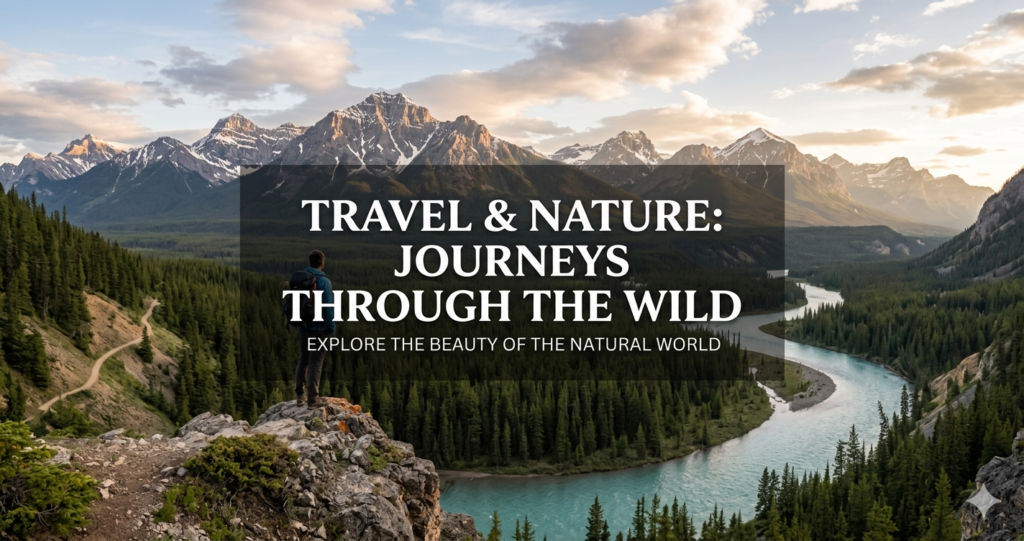

The connection between people and the natural world has always shaped the way humans travel. Across mountains, forests, rivers, deserts, and coastlines, travelers seek experiences that offer peace, discovery, and inspiration. The growing interest in travel and nature reflects a deeper desire to escape crowded urban life and reconnect with environments that feel authentic and refreshing.
Modern tourism has evolved far beyond traditional sightseeing. Many travelers now prioritize experiences that allow them to engage with natural landscapes while also learning about local cultures and ecosystems. Whether it involves hiking through alpine trails, exploring tropical rainforests, or enjoying the calm beauty of lakeside villages, these journeys create lasting memories that go beyond ordinary vacations.
The appeal of natural destinations continues to grow because they provide emotional balance and personal renewal. Spending time outdoors often encourages mindfulness, curiosity, and appreciation for the planet. As more people search for meaningful travel experiences, nature-based tourism has become one of the most admired and rewarding ways to explore the world.
Also Read: Veneajelu Wonders: A Calm Yet Thrilling Experience
The Growing Popularity of Travel and Nature
In recent years, travelers have increasingly shifted their focus toward destinations known for scenic beauty and outdoor experiences. Busy lifestyles and constant digital exposure have encouraged people to look for peaceful environments where they can relax and recharge. Natural settings offer an escape from noise and stress while creating opportunities for reflection and adventure.
Social media and digital photography have also played a major role in expanding interest in nature-focused tourism. Stunning images of waterfalls, mountains, forests, and beaches inspire millions of people to explore places they may never have considered visiting before. This visual influence has helped transform remote natural locations into globally recognized attractions.
Another reason for the popularity of this travel style is the growing awareness of environmental responsibility. Many travelers now prefer experiences that support conservation and sustainable tourism practices. Eco-lodges, wildlife reserves, and community-based tourism projects allow visitors to enjoy beautiful locations while contributing positively to local environments and economies.
How Nature Enhances the Travel Experience
Natural surroundings have a unique ability to improve emotional well-being and mental clarity. Travelers often describe feeling calmer and more energized after spending time in forests, mountains, or near oceans. Fresh air, open spaces, and peaceful scenery create an atmosphere that encourages relaxation and personal reflection.
Outdoor experiences also inspire physical activity and exploration. Hiking, kayaking, camping, and wildlife observation encourage travelers to interact directly with their surroundings instead of simply observing them from a distance. These activities create stronger memories because they involve both emotional and physical engagement with a destination.
Nature also encourages a deeper appreciation for cultural traditions and local lifestyles. Many communities around the world have strong relationships with the landscapes around them. Travelers who explore rural villages, national parks, or coastal towns often gain valuable insight into how people live in harmony with their environment.
Top Destinations for Travel and Nature Lovers
Many countries offer extraordinary opportunities for travelers who appreciate natural beauty. Nations such as Japan, New Zealand, Switzerland, Canada, and Norway are celebrated for their breathtaking scenery and well-preserved outdoor spaces. These destinations combine stunning landscapes with excellent tourism infrastructure, making them accessible and enjoyable for visitors from around the world.
Tropical regions also attract nature enthusiasts seeking beaches, rainforests, and wildlife encounters. Costa Rica, Indonesia, Thailand, and the Maldives are popular choices because they provide rich biodiversity and unforgettable coastal experiences. Travelers can enjoy activities such as snorkeling, rainforest trekking, and island exploration while experiencing unique ecosystems.
Africa and South America provide entirely different but equally impressive adventures. Safari experiences in Kenya and Tanzania allow visitors to observe wildlife in natural habitats, while destinations like Peru and Chile offer dramatic mountain ranges and ancient landscapes. These regions demonstrate the incredible diversity found within global nature tourism.
Outdoor Activities That Bring Travelers Closer to Nature
Adventure activities often transform ordinary vacations into unforgettable experiences. Hiking remains one of the most popular ways to explore natural landscapes because it allows travelers to move at their own pace while fully appreciating their surroundings. Trails through forests, mountains, and valleys provide opportunities for both exercise and exploration.
Water-based activities are equally important in nature-focused tourism. Kayaking through rivers, paddleboarding on lakes, and snorkeling near coral reefs help travelers connect with aquatic environments in meaningful ways. These experiences create moments of excitement while also encouraging appreciation for marine ecosystems and water conservation.
Camping has also become increasingly popular among travelers who want a more immersive connection with nature. Spending nights under the stars, cooking outdoors, and waking up to natural scenery offers a sense of simplicity that many people find deeply rewarding. Even modern glamping experiences provide opportunities to enjoy nature comfortably without losing the atmosphere of outdoor living.
Also Read: Inspiring Stories Inside the Shitamachi Museum
The Role of Sustainable Tourism in Natural Travel
Sustainable tourism has become essential as the popularity of nature destinations continues to rise. Overcrowding, pollution, and environmental damage can threaten fragile ecosystems if tourism is not managed responsibly. Travelers today are becoming more aware of how their choices impact the places they visit.
Many destinations now encourage eco-friendly travel practices to protect natural resources for future generations. Conservation programs, regulated visitor numbers, and environmentally responsible accommodations help reduce negative impacts while maintaining the beauty of popular attractions. These efforts allow tourism and environmental protection to work together rather than compete against each other.
Travelers themselves also play a crucial role in preserving natural destinations. Respecting wildlife, reducing waste, and supporting local communities contribute to healthier tourism systems. Small actions such as avoiding littering or choosing sustainable accommodations can collectively make a significant difference in protecting natural environments.
Wildlife Encounters and Natural Discovery
One of the most exciting aspects of exploring nature is the opportunity to encounter wildlife in its natural habitat. Observing animals in the wild creates unforgettable experiences that cannot be replicated in artificial environments. From watching whales in the ocean to spotting rare birds in forests, these moments often become the highlights of a journey.
Wildlife tourism also encourages greater awareness about conservation and biodiversity. Travelers who witness endangered species firsthand often develop stronger appreciation for environmental protection. Educational tours and guided experiences help visitors understand the challenges faced by ecosystems around the world.
Responsible wildlife observation is extremely important for maintaining ecological balance. Ethical tourism practices ensure that animals are not disturbed or exploited for entertainment purposes. Respectful interaction with wildlife protects both the animals and the integrity of the natural environment.
Cultural Connections Through Travel and Nature
Natural destinations often provide opportunities to experience local traditions and cultural heritage. Rural communities, indigenous populations, and small villages frequently maintain lifestyles closely connected to their surrounding landscapes. Travelers can learn valuable lessons about sustainability, craftsmanship, and traditional knowledge through these interactions.
Food also plays an important role in connecting culture with natural travel experiences. Local cuisines often reflect regional climates, agricultural traditions, and available natural resources. Sharing meals prepared with fresh local ingredients creates meaningful cultural exchanges between visitors and host communities.
Festivals and seasonal celebrations further strengthen the relationship between people and nature. Harvest events, mountain ceremonies, and coastal traditions demonstrate how landscapes influence local customs and identities. These experiences add depth and authenticity to any travel journey.
Technology and Modern Nature Exploration
Technology has changed the way people plan and experience outdoor travel. Navigation apps, travel guides, and digital maps help visitors safely explore remote destinations. Photography equipment and smartphones also allow travelers to document their experiences and share them with audiences worldwide.
Despite these advantages, many travelers now seek balance between technology and genuine connection with nature. Disconnecting from constant notifications and digital distractions has become an important goal for many outdoor enthusiasts. Nature retreats and remote travel experiences provide opportunities to slow down and focus on the present moment.
Modern transportation has also made natural destinations more accessible than ever before. Improved infrastructure allows travelers to visit locations that were once difficult to reach. While this accessibility increases tourism opportunities, it also highlights the importance of preserving fragile ecosystems from excessive development.
Benefits of Nature-Based Travel
| Benefit | Description |
|---|---|
| Mental Relaxation | Natural environments help reduce stress and improve emotional well-being |
| Physical Activity | Outdoor adventures encourage movement and healthier lifestyles |
| Cultural Learning | Travelers gain insight into local traditions and communities |
| Environmental Awareness | Nature tourism promotes appreciation for conservation |
| Personal Growth | Exploration encourages confidence, curiosity, and adaptability |
Why Future Travelers Will Continue Choosing Nature
Future travel trends suggest that natural destinations will remain highly desirable for global travelers. Increasing environmental awareness and changing lifestyle priorities continue to encourage people to seek meaningful outdoor experiences. Travelers are becoming more interested in quality experiences rather than simply visiting crowded tourist attractions.
Climate awareness may also influence tourism patterns in the coming years. Many travelers are choosing destinations that support conservation and sustainable practices. Governments and tourism organizations are investing more resources into protecting natural heritage while promoting responsible travel opportunities.
The emotional value of natural experiences ensures their lasting appeal. Mountains, oceans, forests, and wildlife offer something timeless that modern urban environments often cannot provide. As society becomes increasingly digital and fast-paced, the peaceful connection found through outdoor exploration will continue attracting travelers worldwide.
Conclusion
The relationship between humanity and the natural world remains one of the most meaningful aspects of travel. Through forests, coastlines, deserts, mountains, and wildlife experiences, travelers discover not only beautiful destinations but also deeper understanding of themselves and the planet around them. The growing popularity of travel and nature reflects a collective desire for authenticity, balance, and exploration.
Nature-focused travel offers far more than entertainment. It supports emotional well-being, encourages cultural understanding, and inspires environmental responsibility. Whether someone chooses a quiet mountain retreat, an adventurous hiking expedition, or a relaxing beach escape, these experiences often leave lasting impressions that continue long after the journey ends.
As tourism evolves, preserving natural environments will become even more important. Responsible travel practices ensure that future generations can continue enjoying the same breathtaking landscapes and meaningful experiences. By valuing sustainability and respecting local ecosystems, travelers help protect the beauty that makes nature-centered exploration so rewarding.
Also Read: Yanaka Cemetery: A Surprisingly Enchanting Space
FAQs
1. What does travel and nature mean?
It refers to travel experiences focused on natural landscapes, outdoor activities, and environmental exploration.
2. Why do people enjoy nature-based travel?
Many people enjoy it because it reduces stress, improves well-being, and creates memorable outdoor experiences.
3. Which countries are best for nature tourism?
Countries such as Canada, New Zealand, Switzerland, Norway, and Costa Rica are highly popular for nature tourism.
4. Is sustainable tourism important in natural destinations?
Yes, sustainable tourism helps protect ecosystems, wildlife, and local communities from environmental damage.
5. What activities are popular in nature travel?
Hiking, camping, wildlife observation, kayaking, snorkeling, and mountain exploration are among the most popular activities.