
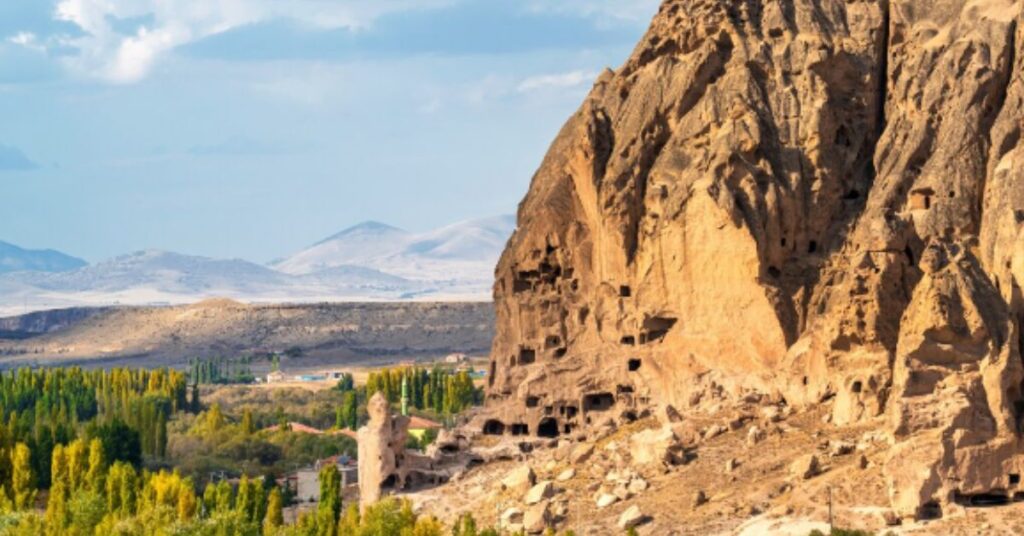

The phrase “Atlas Bergen” is often a point of confusion because it combines linguistic and geographical concepts into one term. Though it appears to be a place or an official name, in reality, it is a translated form that relates to mountain landscapes. The word ‘bergen’ in many European languages translates simply to “mountains” hence its appearance in many contexts.
Atlas Bergen almost always refers to the very famous Atlas Mountains that are located in the north of Africa. The term seems to show up more often in Scandinavian and Dutch languages where “Atlasbergen” translates to “Atlas Mountains” which may contribute to confusion when speaking with readers who do not speak this language.
While the phrase Atlas Bergen can be interpreted in many different ways when you look at translation and how culture applies to it you gain understanding for the meaning behind it and for one of the worlds greatest mountain ranges.
Also Read: Amazing Travel and Nature Experiences Worldwide
Atlas Bergen Range’s Geographical Particulars
The Atlas Bergen is associated with a large mountain range that runs across the northern parts of Africa. The Atlas Mountains are about 2,500km long and run through Morocco, Algeria and Tunisia. They stand as a natural barrier between the deserts and the sea.
They are responsible for forming the region and affect its climate in many ways. The Mountains effectively separate the northern lands and the Sahara desert. They provide vast plateaus, lush valleys and high peaks with a good level of snow cover on some of the highest areas, thus showing the variety of terrain in this particular range.
The range is divided into various parts, and all have been given different names; this demonstrates the diverse nature of the Atlas Bergen range as a concept. Instead of being one defined region it is more like a network of many different terrains across countries that border on each other.
The History of Atlas Bergen
The Atlas Bergen range has a long history with myth and legend playing an integral part in their naming. ‘Atlas’ stems from the figure Atlas in Greek mythology who carried the heavens on his shoulders. This gave many early cartographers a name to give to the immense and intimidating mountain ranges that lie far from known territory.
The countries that these ranges inhabit knew of the importance of this particular land form for many years before the notion of a distinct mountain range was invented. Traders, explorers and nomadic tribes would all have traveled across or along the terrain relying on it to find their way and resources and the mountains acted both as a barrier and a link.
Through language translation and other changes over many years the term Atlas Bergen has formed and is now directly connected to these mythological and linguistic roots which represent one of Africa’s main geographical feature.
The different types of Land & Natural features
Atlas Bergen represent the ultimate range of contrasting natural landscapes; the sheer peaks, deep valleys and sprawling plateaus present an incredible scene. It’s highest point Mount Toubkal can rise as high as 4167 meters and challenge even the best of climbers.
However the natural habitat in the range supports and array of differing natural ecosystems, you can discover woodland, arid zones and grass plains all within the one mountain range and each section changes depending on the elevation, with areas closer to the peaks supporting snow and a much colder climate and those closer to the ground far warmer. The springs and rivers found on the mountains play an important part in watering much of the surrounding landscape too, providing life in an otherwise difficult climate for humans.
The functions and influences of the Atlas Bergen culture
The Atlas Bergen have shaped the lives and culture of people in the regions surrounding the mountains. The people in Morocco, Algeria and Tunisia all have a unique lifestyle that is based around the mountains, including clothing, diet and architecture.
The mountains have always inspired the creation of works of art, music and stories. Many of the cultural traits and legends within these countries have been developed around the range, reflecting a history and creativity that has evolved around these mountains.
To this day Atlas Bergen continues to be a destination for travelers wishing to explore it’s rich landscape and diverse culture, showing the lasting impact it continues to have across the globe.
Also Read: Veneajelu Wonders: A Calm Yet Thrilling Experience
Essential Facts regarding Atlas Bergen
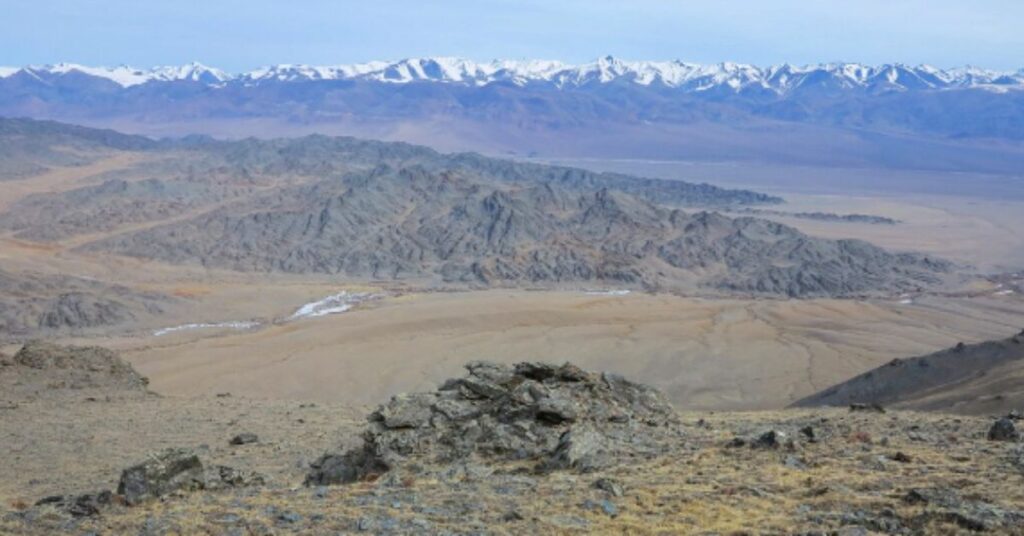
A breakdown of some key facts regarding the Atlas Bergen will help to clarify any ambiguities that exist around the terminology. The range is formed over three different countries, and constitutes a massive area that would contribute to many natural features that span across Africa. The length of the mountains is 2500km, and they can reach a tremendous height.
The highest point is Mount Toubkal and this attracts thousands of travelers to it each year, hoping to climb to the highest point. Other areas within the mountains have diverse ecosystems, supporting the life found there.
Below table includes the key information regarding the Atlas Bergen and its geographical background:
| Feature | Details |
| Mountain Range | Atlas Mountains |
| Length | Approximately 2,500 km |
| Highest Peak | Mount Toubkal (4,167 m) |
| Countries | Morocco, Algeria, Tunisia |
| Region | Maghreb (North Africa) |
Current Significance and International interest
The Atlas Bergen has become a relevant topic today for both the environment and the culture. The Atlas Mountains are researched by scientists in order to study the effects of climate change, discover flora, and investigate geological change. By observing the Atlas Mountains researchers are able to develop information on the way the natural world works.
More and more people have also become interested in traveling to this area for the environment and the culture. These tourists participate in hiking through the scenic lands and exploring the villages, and culture of the local people. Their interest will create opportunity in the region, but will also help raise concern for the protection of this amazing area.
The importance of preserving areas like Atlas Bergen is recognized globally. International conservationefforts are made on an everyday basis to protect natural resources and culture from human intervention as people become increasingly interested in global areas that represent vast areas for human exploration and enjoyment. Future challenges will include a struggle for preservation versus development in the region.
Conclusion
While the meaning of Atlas Bergen can be a little confusing it will become much clearer after we look at the various languages, geography, and history involved. In a way Atlas Bergen is just a translated name for one of the worlds’ most important mountain ranges, the Atlas Mountains. By examining the impact language has on naming geographical features, we can expand our knowledge of the world.
The Atlas Mountains are actually a symbol for nature, diversity, and perseverance. They create an important area for ecosystems and climate, influencing life throughout North Africa. From myths of the past, to scientific studies, the Atlas Mountains have always held an important part of mans curiosity.
Since we now know a little more about Atlas Bergen, we can focus more on the idea of preserving natural resources and culture within the Atlas Mountains. When you take out the unnecessary translation you can see and begin to discover the larger importance of the world.
Also Read: Inspiring Stories Inside the Shitamachi Museum
FAQs
1.What is Atlas Bergen?
Atlas Bergen is another way to express the name of the Atlas Mountains, used by a variety of people who speak European languages.
2. Is there really an Atlas Bergen?
No, it is not a separate or defined place name, but rather a way of saying “Atlas Mountains”.
3. Where are the Atlas Mountains?
The Atlas Mountains stretch throughout northern Africa in the countries of Algeria, Morocco, and Tunisia.
4. What is the highest peak of the Atlas Bergen?
The highest peak is the summit known as Toubkal with a high elevation of 4,167 meters above sea level.
5. What is the main importance of Atlas Bergen?
The Atlas Bergen has had significant effects on climate, culture, and life for the entire continent of North Africa.