
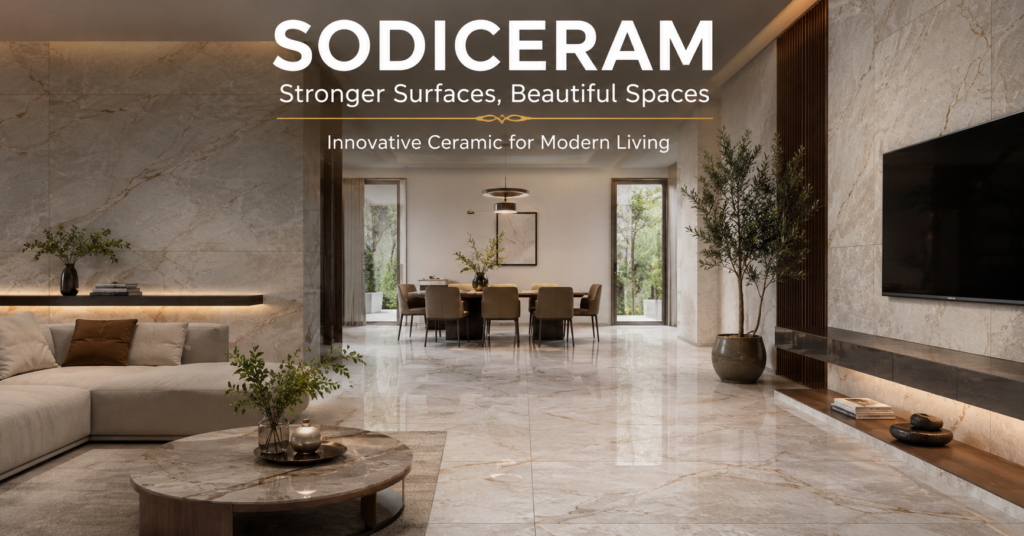

Over the last few years, people have started paying much closer attention to the materials they use in their homes and workspaces. It’s no longer only about appearance. Today, homeowners, architects, and interior designers want materials that look beautiful, last for years, and make everyday life easier. That’s one reason why the term sodiceram has slowly started gaining attention in design conversations.
Even though many people are still unfamiliar with the word, it’s often connected with modern ceramic surfaces, stylish tiles, and advanced material technology. Some see it as a new generation of ceramic innovation, while others associate it with premium interior and architectural finishes. Whatever the interpretation may be, the growing curiosity around it shows that people are searching for smarter and more practical design solutions.
Ceramics themselves are nothing new. They’ve been used for centuries in homes, buildings, art, and decoration. What has changed is the way ceramic materials are now being developed and used. Modern ceramic products are stronger, more refined, and far more versatile than before. This evolution is exactly why concepts like sodiceram are becoming increasingly relevant in today’s world of contemporary design.
Also Read: Portar Leisa’s Astonishing Significance
What Makes Sodiceram Different
One reason sodiceram is attracting interest is because it’s often linked with high-quality ceramic materials designed for modern living. Unlike older surfaces that focused mostly on basic functionality, newer ceramic concepts aim to combine durability with style. People want materials that not only survive everyday use but also make a space feel elegant and welcoming.
Many modern ceramic products connected to this concept are designed with improved resistance to scratches, stains, moisture, and heat. These features matter a lot in busy homes where surfaces go through constant use every single day. Kitchens, bathrooms, hallways, and commercial spaces all need materials that can handle pressure without quickly showing wear and tear.
Another thing that makes these ceramic solutions appealing is their clean and contemporary appearance. Minimalist interiors have become extremely popular, and ceramics fit naturally into that style. Smooth textures, soft colors, and polished finishes help create spaces that feel calm, modern, and visually balanced. That combination of beauty and practicality is a major reason people are paying attention.
The Rising Demand for Modern Ceramic Materials
The way people think about home improvement has changed dramatically. Years ago, many homeowners simply focused on decorating their spaces with attractive furniture and paint colors. Today, people pay much more attention to the actual materials used throughout a property. Durability, maintenance, and long-term value have become just as important as appearance.
This shift has helped advanced ceramic products become far more popular than before. Surfaces inspired by sodiceram are often appreciated because they can maintain their look for years without demanding too much upkeep. That’s a huge advantage for people with busy lifestyles who don’t want to spend endless time maintaining floors, walls, or countertops.
Modern architecture has also influenced this growing demand. Contemporary homes and commercial buildings often feature open layouts, neutral color palettes, and sleek finishes. Ceramic materials work beautifully in these environments because they provide a clean and polished look while remaining highly practical. Their versatility allows them to blend into almost any design style effortlessly.
How Sodiceram Influences Interior Design
Interior design today is all about creating spaces that feel comfortable, functional, and visually pleasing at the same time. Materials play a huge role in shaping that experience. Ceramic surfaces associated with sodiceram are often chosen because they help create a modern atmosphere without sacrificing practicality.
One of the biggest advantages of ceramics is how adaptable they are. Some homeowners prefer soft matte finishes for a cozy and understated look, while others love glossy surfaces that reflect light and make rooms feel larger. This flexibility allows designers to experiment with different moods and aesthetics while still relying on durable materials underneath.
Ceramic surfaces also work beautifully with other design elements. They pair naturally with wood, metal, glass, and stone, making it easier to create layered and stylish interiors. Whether someone wants a luxurious bathroom, a sleek kitchen, or a modern office space, ceramics can easily become part of the overall visual story without overpowering the room.
Durability That Fits Everyday Life
One of the strongest reasons people invest in ceramic materials is durability. Daily life can be tough on surfaces, especially in homes with children, pets, or heavy foot traffic. Floors get scratched, countertops get stained, and walls experience constant wear. This is where modern ceramic materials truly stand out.
Ceramics linked with sodiceram are often valued because they can handle regular use while still looking fresh and attractive. Unlike some materials that fade, crack, or absorb moisture over time, advanced ceramics are designed to stay strong under pressure. That reliability gives homeowners peace of mind because they know their investment will last longer.
Maintenance is another major advantage. People generally prefer surfaces that are easy to clean and don’t require complicated care routines. Ceramic materials usually only need simple cleaning to maintain their appearance. This convenience makes them especially attractive in kitchens and bathrooms where spills, moisture, and daily messes are unavoidable.
Also Read: Why Uncuymaza Became an Intriguing Internet Trend
Where Modern Ceramic Materials Are Used
One reason ceramic materials continue growing in popularity is because they can be used in so many different ways. Inside homes, they are commonly found on floors, walls, kitchen backsplashes, and bathroom surfaces. Their ability to combine beauty with practicality makes them suitable for almost every room.
Commercial spaces also rely heavily on durable ceramic surfaces. Hotels, restaurants, shopping centers, and office buildings need materials that can withstand constant use while still looking professional. Ceramics provide that balance extremely well. They create a clean and sophisticated appearance while reducing the need for frequent repairs or replacements.
Outdoor spaces are becoming another important area for ceramic applications. Patios, terraces, and walkways increasingly use weather-resistant ceramic surfaces because they can tolerate changing temperatures and environmental conditions. This ability to transition between indoor and outdoor use adds even more versatility to modern ceramic design.
Traditional Ceramics vs Modern Ceramic Innovation of sodiceram
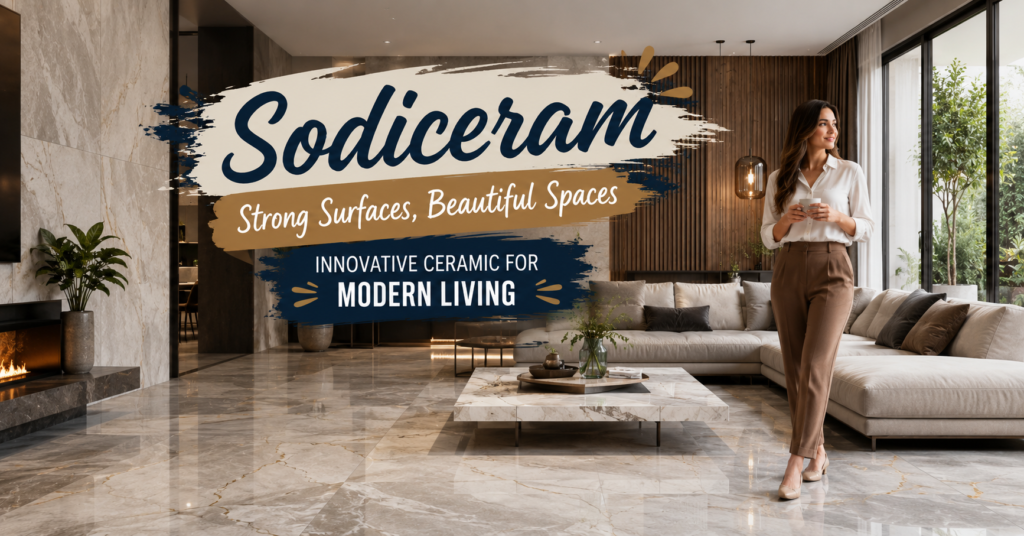
| Feature | Traditional Ceramics | Modern Ceramic Materials |
|---|---|---|
| Durability | Standard Strength | Enhanced Strength |
| Maintenance | Requires More Care | Easy to Maintain |
| Design Options | Limited Styles | Wide Variety |
| Water Resistance | Moderate | High |
| Surface Finishes | Basic Finishes | Advanced Textures |
| Indoor Use | Common | Excellent |
| Outdoor Use | Limited | Widely Suitable |
| Lifespan | Long | Extra Long |
Why Homeowners Are Becoming More Interested of sodiceram
Today’s homeowners are more informed than ever before. Before choosing materials for a renovation or new project, many people spend time researching durability, maintenance needs, and long-term performance. They want products that look impressive but also make everyday life easier.
That’s one reason ceramic materials inspired by sodiceram are attracting attention. They offer a combination of elegance and reliability that many homeowners appreciate. Instead of constantly worrying about scratches, moisture damage, or difficult cleaning routines, people can enjoy surfaces designed to handle real-life situations.
There’s also a strong emotional aspect connected to home design. People want spaces that feel modern, welcoming, and relaxing. Beautiful ceramic finishes can completely transform the atmosphere of a room. A bright kitchen, a stylish bathroom, or a polished living area can make a home feel more refined and comfortable at the same time.
Innovation Is Changing the Ceramic Industry of sodiceram
The ceramic industry has changed enormously over the last decade. New manufacturing technologies now allow companies to create surfaces that are stronger, lighter, and visually more detailed than older ceramic products. These advancements have opened the door for creative designs that were once difficult to achieve.
One major breakthrough has been digital printing technology. Manufacturers can now produce ceramic surfaces that closely resemble natural stone, marble, or wood. This gives homeowners the luxurious appearance of natural materials while still enjoying the durability and low maintenance that ceramics provide.
Material research has also improved performance significantly. Modern ceramic products are often designed to resist moisture, stains, heat, and impact more effectively than traditional options. These improvements make ceramics suitable for both residential and commercial environments where long-lasting performance is essential.
Sustainability and Long-Term Value
Sustainability has become an important topic in modern construction and interior design. More people now think carefully about the environmental impact of the materials they choose for their homes and projects. Long-lasting materials are especially valued because they reduce waste and lower the need for frequent replacements.
Ceramic materials often fit well into this conversation because of their durability. When a surface can last for many years without losing quality, it naturally becomes a more responsible choice compared to products that need regular replacement. This long lifespan adds both practical and environmental value.
Modern production methods are also improving in many areas. Manufacturers continue looking for cleaner and more efficient ways to produce ceramic materials while reducing energy use and material waste. As sustainability becomes more important globally, innovations in ceramic manufacturing will likely continue evolving in a positive direction.
The Future of Sodiceram in Design
The future of ceramic design looks incredibly promising. As technology continues advancing, ceramic materials are expected to become even more versatile, stylish, and functional. Designers are already experimenting with unique textures, larger tile formats, and creative finishes that bring more personality into modern spaces.
Customization will likely become even more important in the coming years. Homeowners want interiors that feel personal and unique instead of looking exactly like everyone else’s. Ceramic innovations are helping make that possible by offering endless combinations of colors, textures, and patterns.
There’s also growing interest in smart surfaces and advanced material performance. Future ceramic products may include improved antibacterial properties, better temperature resistance, and enhanced durability for high-traffic environments. These developments show that ceramics are no longer viewed as simple decorative materials. They are becoming an important part of modern architectural innovation.
Conclusion
The growing attention around sodiceram reflects a much bigger shift happening in modern design. People no longer want materials that only look attractive for a short period of time. They want surfaces that combine style, comfort, durability, and practicality in a way that supports everyday living. Modern ceramic innovations are helping meet those expectations beautifully.
What makes these materials so appealing is their balance between appearance and performance. They can create elegant interiors while also standing up to moisture, heat, stains, and daily wear. That combination makes them suitable for homes, offices, hotels, and outdoor spaces alike. Few materials manage to offer such flexibility while still maintaining a refined and contemporary feel.
As architecture and interior trends continue evolving, ceramic materials will likely play an even bigger role in shaping modern environments. Advances in technology, sustainability, and customization are pushing the industry forward in exciting ways. Whether viewed as a design trend, a material innovation, or a symbol of modern living, sodiceram represents the growing demand for surfaces that are both beautiful and built to last.
Also Read: Crackstube Secrets: The Shocking Online Trend
FAQs
1. What is sodiceram mainly associated with?
Sodiceram is commonly associated with modern ceramic materials, stylish tile solutions, and advanced surface technologies used in architecture and interior design.
2. Why are modern ceramic materials so popular today?
They are popular because they combine durability, attractive finishes, low maintenance, and long-lasting performance for both homes and commercial spaces.
3. Can ceramic materials be used outdoors?
Yes, many modern ceramic products are designed to handle changing weather conditions, making them suitable for patios, walkways, and outdoor walls.
4. Are ceramic surfaces easy to maintain?
Most ceramic surfaces are very easy to clean and usually require only basic maintenance to keep them looking fresh and polished.
5. What makes modern ceramics different from traditional ceramics?
Modern ceramics often feature improved strength, better moisture resistance, advanced textures, and more design options compared to traditional ceramic materials.