
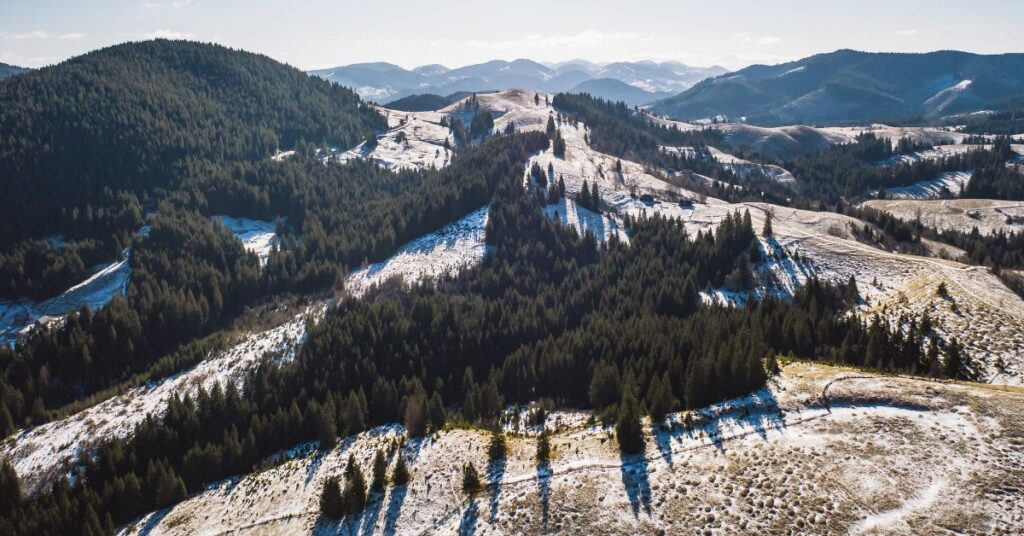

The name “Severna Dakota” may sound unfamiliar to many readers, yet it represents a fascinating cultural and geographic identity connected to the northern region of the United States commonly known as North Dakota. In several Slavic languages, the word “Severna” means “northern,” creating a translated form that reflects both direction and regional character. Although the term is not officially used in English-speaking regions, it has gained attention online and in cultural discussions because of its unique linguistic style and intriguing association with a state that is often overlooked.
Located in the Upper Midwest, North Dakota is known for its vast plains, cold winters, hardworking communities, and strong connection to agriculture and energy production. The translated expression adds an international dimension to the region’s identity and invites curiosity about its people, history, and landscape. For many researchers and travelers, the term creates an opportunity to explore the state from a broader cultural perspective.
This article examines the historical roots, cultural significance, economic growth, natural beauty, and modern development associated with Severna Dakota. By understanding the region more deeply, readers can appreciate how an area sometimes considered remote has played an important role in shaping the American experience.
Historical Roots of Severna Dakota
The history connected to Severna Dakota begins long before modern settlements appeared across the northern plains. Indigenous communities lived in the region for thousands of years, developing rich traditions, trade systems, and social structures that were closely tied to the land. Tribes such as the Mandan, Hidatsa, and Arikara established villages near rivers and relied heavily on farming, hunting, and seasonal migration. Their cultural influence continues to shape local traditions and historical understanding today.
European exploration gradually expanded into the northern plains during the eighteenth and nineteenth centuries. Fur traders, missionaries, and settlers traveled through the region, bringing dramatic economic and cultural changes. The arrival of railroads later transformed the area even further by encouraging migration and agricultural expansion. Farming communities quickly developed, and towns began appearing across the wide prairie landscape.
Statehood eventually marked a turning point in regional identity and development. The area officially became part of the United States in 1889, opening the door for greater political organization and infrastructure growth. Despite harsh winters and geographic isolation, local communities built schools, businesses, and transportation networks that allowed the region to thrive over time.
The Geography and Climate of the Region
The landscape associated with Severna Dakota is defined by open plains, rolling hills, fertile farmland, and winding rivers. Much of the region features wide grasslands that stretch toward the horizon, creating a sense of openness rarely experienced in crowded urban environments. The Missouri River remains one of the most important natural landmarks, supporting agriculture, recreation, and wildlife habitats throughout the state.
Seasonal changes strongly influence daily life across the area. Winters are long, snowy, and extremely cold, with temperatures frequently dropping below freezing for extended periods. While these conditions may seem difficult to outsiders, residents have adapted through strong infrastructure, community planning, and traditions centered around winter activities. Snow-covered fields and frozen lakes also create a distinctive visual beauty that many locals appreciate.
Summers provide a dramatic contrast with warmer temperatures and vibrant green landscapes. Farmers use the fertile soil to grow crops such as wheat, soybeans, barley, and sunflowers. The changing seasons contribute to the region’s identity and influence everything from local festivals to economic activity. Nature remains deeply connected to community life, making the environment one of the most important aspects of the region’s character.
Cultural Identity and Community Values
The cultural identity connected to Severna Dakota reflects a combination of Indigenous heritage, immigrant traditions, and modern American values. Many early settlers arrived from Scandinavian and German backgrounds, bringing customs, foods, languages, and religious practices that shaped local communities. Even today, cultural festivals and family traditions continue to celebrate these historical influences.
Rural life has played a major role in defining the social atmosphere of the region. Small towns often emphasize cooperation, hospitality, and strong relationships among neighbors. Community events such as county fairs, harvest celebrations, and local sporting activities create opportunities for people to gather and maintain social connections. These traditions help preserve a sense of unity despite the large geographic distances between communities.
Modern cultural development has also introduced greater diversity and creativity into the region. Universities, museums, and art centers support education and artistic expression while encouraging dialogue about history and identity. Younger generations are increasingly combining traditional values with contemporary ideas, creating a balanced cultural environment that respects the past while embracing change.
Economic Growth and Key Industries
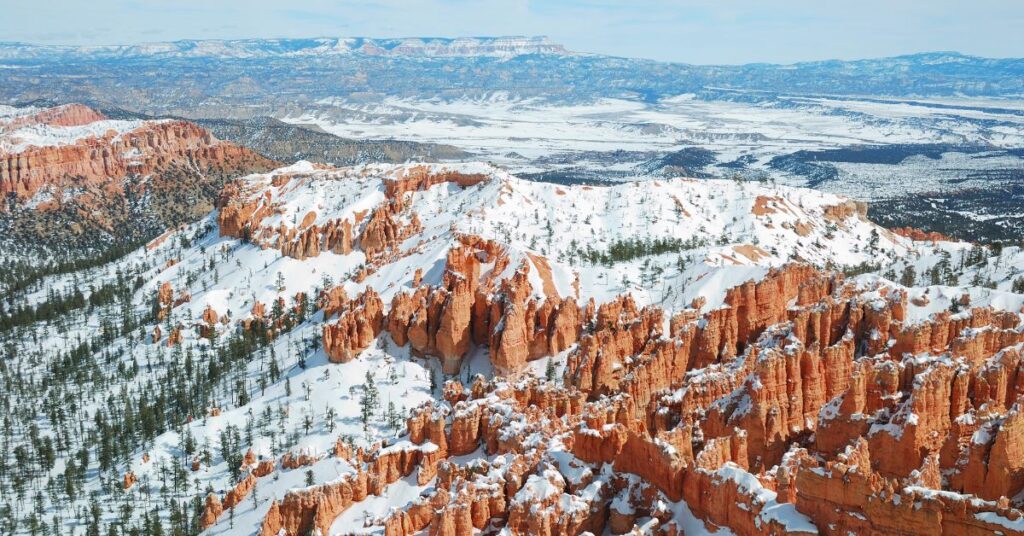
Economic activity in Severna Dakota has evolved significantly over the past century. Agriculture remains one of the most important industries, providing employment and supporting both local and national food supplies. Farmers across the region produce major crops that contribute heavily to the American agricultural economy, and technological improvements have increased productivity while reducing labor demands.
Energy production has become another defining feature of the regional economy. Oil reserves discovered in the Bakken Formation transformed many communities and attracted workers from different parts of the country. The energy boom created opportunities for investment, infrastructure development, and population growth. At the same time, it also introduced challenges related to housing, environmental concerns, and rapid urban expansion.
Manufacturing, healthcare, and education continue to strengthen economic stability across the state. Cities such as Fargo and Bismarck have experienced steady development due to expanding business opportunities and educational institutions. Economic diversification has helped reduce dependence on a single industry, allowing communities to adapt more effectively during periods of national or global economic change.
| Industry Sector | Main Contribution | Key Products or Services |
|---|---|---|
| Agriculture | Food production and exports | Wheat, soybeans, barley |
| Energy | Employment and investment | Oil and natural gas |
| Manufacturing | Industrial development | Machinery and processing |
| Healthcare | Public well-being | Hospitals and medical care |
| Education | Workforce development | Universities and training |
Natural Attractions and Outdoor Experiences
One of the most remarkable aspects of Severna Dakota is its natural beauty. Large open spaces provide excellent opportunities for outdoor recreation and wildlife observation. National parks, lakes, forests, and grasslands attract visitors seeking peaceful environments away from crowded tourist destinations. The region’s natural scenery often surprises travelers who expect only flat farmland.
Theodore Roosevelt National Park remains one of the most famous attractions in the area. Its rugged badlands, colorful rock formations, and diverse wildlife create a dramatic contrast with the surrounding plains. Visitors frequently encounter bison, wild horses, deer, and prairie dogs while exploring hiking trails and scenic roads. The park also reflects the conservation legacy of President Theodore Roosevelt, who spent time in the region during his early years.
Outdoor activities continue throughout every season. Fishing, boating, camping, and hiking are popular during warmer months, while winter brings opportunities for snowmobiling, ice fishing, and cross-country skiing. Residents often develop a strong connection to nature because of the accessibility of outdoor spaces. This relationship with the environment contributes greatly to local identity and quality of life.
Education and Modern Development of Severna Dakota
Education has become increasingly important to the growth and modernization of Severna Dakota. Universities and colleges across the region provide opportunities for research, innovation, and workforce preparation. Institutions focus on fields such as agriculture, engineering, healthcare, and energy technology, reflecting the economic needs of the area while encouraging broader academic development.
Technological advancement has also improved communication and business opportunities throughout the region. Modern infrastructure allows companies to operate effectively even in relatively remote locations. Internet access, transportation systems, and digital services have helped small communities connect with national and global markets. This progress has encouraged entrepreneurship and supported younger generations interested in building careers within the state.
Urban development has gradually transformed several cities while preserving much of the region’s rural character. Fargo, for example, has expanded into a thriving center for education, healthcare, and technology. Despite modernization, many communities continue to prioritize safety, affordability, and strong social values. This balance between development and tradition makes the region appealing to both longtime residents and newcomers.
Tourism and Local Hospitality of Severna Dakota
Tourism in Severna Dakota may not match the scale of larger American destinations, but it offers experiences that many travelers find authentic and memorable. Visitors often appreciate the slower pace of life, friendly atmosphere, and opportunity to explore landscapes that feel untouched by heavy commercialization. Small-town hospitality creates a welcoming environment that encourages meaningful cultural interaction.
Historical museums and cultural centers provide insight into the region’s past and present identity. Visitors can learn about Indigenous history, pioneer settlement, railroad expansion, and agricultural development through carefully preserved exhibits and local storytelling traditions. These educational experiences help travelers understand how the region evolved over generations.
Food and local traditions also contribute to tourism appeal. Restaurants and community events often feature regional specialties influenced by Scandinavian and German heritage. Seasonal festivals celebrate harvests, music, crafts, and cultural history while bringing communities together. Travelers seeking genuine cultural experiences frequently discover that the region offers a refreshing alternative to crowded tourist attractions.
Challenges and Future Opportunities of Severna Dakota
Like many rural regions, Severna Dakota faces several modern challenges related to population distribution, workforce retention, and environmental sustainability. Younger residents sometimes leave smaller towns in search of broader career opportunities, creating concerns about long-term population growth and community continuity. Local leaders continue exploring ways to encourage economic development while maintaining quality of life.
Climate conditions also create ongoing challenges for infrastructure and agriculture. Harsh winters can affect transportation systems, while droughts and changing weather patterns influence farming productivity. Communities have responded by investing in technology, disaster preparedness, and sustainable agricultural practices designed to reduce environmental risks and support future growth.
Despite these obstacles, the region continues to demonstrate resilience and adaptability. Economic diversification, educational investment, and technological advancement provide strong foundations for future success. Many residents believe the area’s combination of natural resources, community values, and economic opportunity will continue attracting people who seek stability, affordability, and a close connection to nature.
Conclusion
Severna Dakota represents far more than a translated version of a geographic name. It symbolizes a region shaped by history, cultural diversity, natural beauty, and economic resilience. From Indigenous traditions and agricultural roots to modern energy development and educational growth, the area reflects the complex story of a community that continues evolving while preserving its identity.
The region’s open landscapes, welcoming communities, and strong work ethic create an environment that stands apart from many fast-paced urban centers. Although it may not receive constant national attention, its contributions to agriculture, energy production, education, and cultural preservation remain highly significant. Understanding this region requires looking beyond stereotypes and recognizing the depth of its historical and social importance.
As interest in lesser-known destinations and regional studies continues to grow, Severna Dakota offers valuable lessons about resilience, adaptation, and community strength. Whether explored through history, geography, tourism, or economic development, the region provides a fascinating example of how local identity can carry both national and international significance.
FAQs
1. What does Severna Dakota mean?
Severna Dakota is a translated or linguistic variation of North Dakota used in some Slavic languages, where “Severna” means “northern.”
2. Is Severna Dakota an official place name?
No, it is not an official English-language name. The official name is North Dakota.
3. What is Severna Dakota known for?
The region is known for agriculture, energy production, wide landscapes, strong communities, and outdoor recreation.
4. What are the major cities in the region?
Major cities include Fargo, Bismarck, Grand Forks, and Minot.
5. Why is Severna Dakota gaining online attention?
The phrase has attracted curiosity because of its unusual linguistic form and connection to a lesser-known American state.