
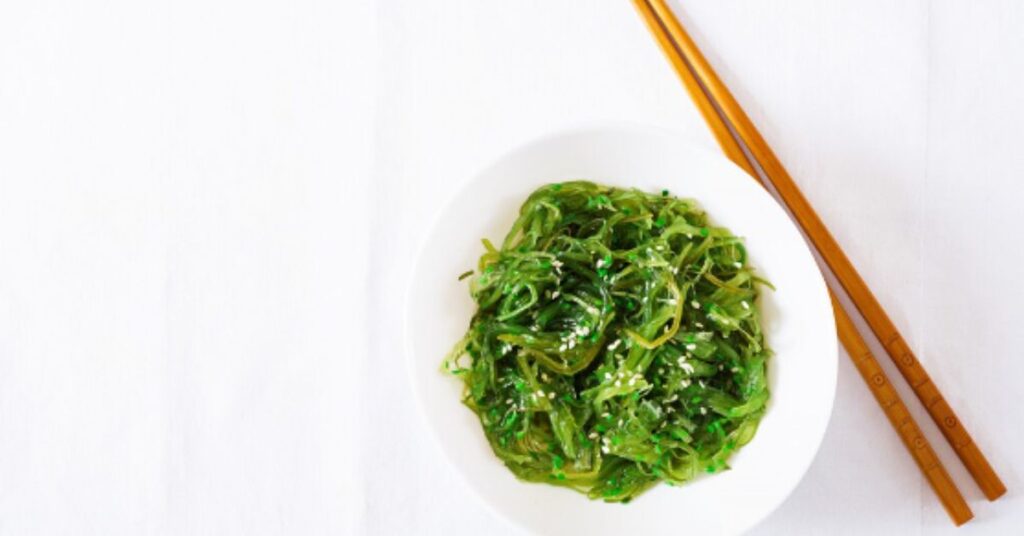

In recent years, traditional ingredients from Asian cuisine have gained worldwide attention for their flavor, versatility, and nutritional value. Among these ingredients, “γουακαμε” has quietly become one of the most talked-about additions to modern kitchens. Known for its delicate texture and refreshing taste, this edible seaweed has found a place in soups, salads, snacks, and even wellness-focused meals.
Many people first encounter γουακαμε in Japanese restaurants, often floating gently in miso soup or mixed into a light seaweed salad. While it may appear simple at first glance, this ocean-grown ingredient carries centuries of culinary history and cultural significance. Beyond its role in traditional dishes, it has also become associated with balanced eating and mindful cooking habits around the world.
The growing popularity of marine-based foods has encouraged people to explore ingredients they once considered unfamiliar. γουακαμε stands out because it combines flavor, nutrition, and simplicity in a way that appeals to both experienced cooks and curious beginners. Its unique combination of softness and slight ocean freshness gives dishes a memorable character without overpowering other ingredients.
Also Read: Delicious Levapioli Secrets Worth Discovering
The Origins and History of γουακαμε
The story of γουακαμε begins along the coastal regions of East Asia, where seaweed harvesting has been part of daily life for generations. Communities living near the sea relied heavily on marine plants as a source of nourishment, especially during periods when fresh vegetables were difficult to obtain. Over time, people discovered methods for drying and preserving seaweed so it could be enjoyed throughout the year.
In Japan, seaweed became deeply connected to local traditions and cuisine. Families passed recipes from one generation to another, using ingredients gathered from nearby waters. γουακαμε gradually earned a reputation for its pleasant flavor and versatility. It was added to soups, rice dishes, and seasonal meals that celebrated the changing rhythms of nature and coastal living.
As international trade and travel expanded, Japanese cuisine gained recognition across the globe. Restaurants introduced diners to ingredients they had never seen before, and seaweed quickly became part of the culinary conversation. Today, γουακαμε can be found in supermarkets, specialty food stores, and restaurants far beyond its original homeland, showing how a once-local ingredient became internationally admired.
Why γουακαμε Became So Popular
One reason γουακαμε has become increasingly popular is its ability to fit into many different eating styles. People searching for lighter meals often appreciate its low-calorie nature, while others enjoy the refreshing texture it adds to recipes. Since modern consumers are paying more attention to balanced meals and natural ingredients, seaweed has become an appealing option for everyday cooking.
Another factor behind its popularity is the worldwide interest in Japanese cuisine. Dishes once considered exotic are now common in cities across the world. Sushi bars, ramen shops, and Japanese-inspired cafes have introduced countless people to ingredients like γουακαμε. After trying it in restaurants, many individuals become curious about preparing it at home.
Social trends surrounding wellness and mindful eating have also played a role. Seaweed is often associated with freshness and simplicity, qualities that resonate with people trying to avoid heavily processed foods. Although tastes differ from person to person, many individuals describe γουακαμε as comforting, clean, and pleasantly satisfying in both warm and cold dishes.
Nutritional Value of γουακαμε
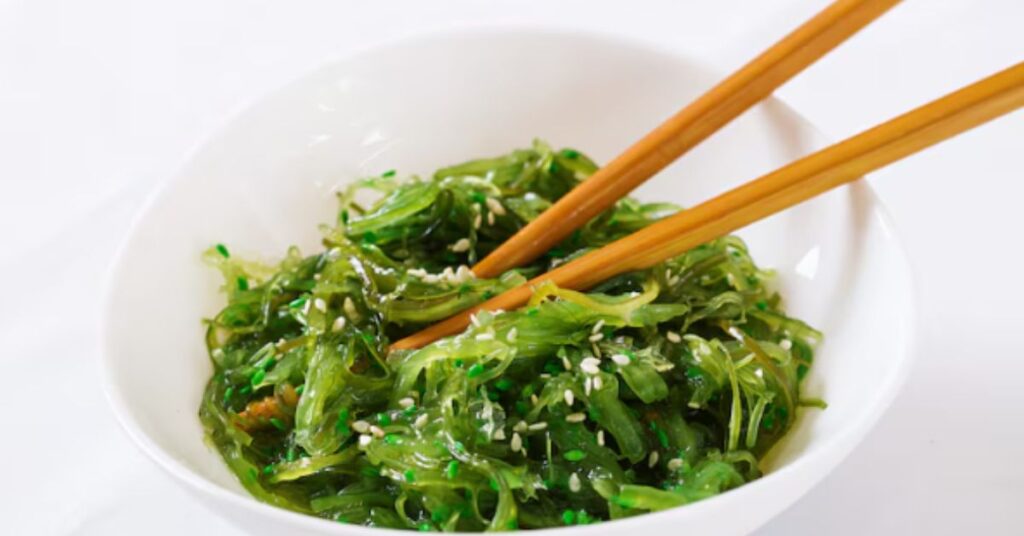
One of the most interesting aspects of γουακαμε is its nutritional profile. Seaweed naturally contains a variety of vitamins and minerals that support a balanced diet. It is especially valued for containing iodine, which contributes to normal thyroid function. In coastal cultures where seaweed consumption has long been common, marine vegetables have traditionally been viewed as an important source of nourishment.
In addition to minerals, γουακαμε contains fiber that may support digestion and help meals feel more filling. Because it absorbs water easily, a small dried portion expands significantly when soaked. This makes it an economical ingredient that adds texture and volume to dishes without requiring large amounts. Many cooks appreciate how little is needed to create a flavorful result.
Researchers and nutrition enthusiasts continue to study sea vegetables for their unique compounds and health-related potential. While no single food should be treated as a miracle ingredient, γουακαμε fits comfortably into a varied and balanced eating routine. Its combination of nutrients and gentle flavor makes it attractive to those who enjoy wholesome and uncomplicated foods.
| Nutrient | Approximate Benefit |
|---|---|
| Iodine | Supports thyroid health |
| Fiber | Helps digestion and fullness |
| Calcium | Contributes to bone strength |
| Magnesium | Supports muscle function |
| Iron | Assists oxygen transport |
| Vitamin K | Supports normal blood clotting |
How γουακαμε Is Used in Everyday Cooking
The versatility of γουακαμε makes it suitable for many different recipes. One of the most common uses is in soups, where the seaweed softens quickly and releases a subtle ocean flavor. Miso soup remains one of the best-known examples, but many cooks also add seaweed to noodle broths, seafood stews, and vegetable-based dishes.
Cold dishes are equally popular. Seaweed salads combine tender strips of γουακαμε with sesame oil, vinegar, cucumber, or light seasonings that create a refreshing taste. These salads are often served alongside rice or grilled dishes, offering balance through their cool texture and delicate flavor profile.
Home cooks have also become creative with modern recipes. Some people mix seaweed into grain bowls, stir-fries, or even sandwiches. Because dried seaweed stores well and rehydrates quickly, it can be a convenient ingredient for busy kitchens. Its adaptability allows people to experiment while still maintaining the ingredient’s traditional character.
Also Read: Brilliant Smoothiepussit Ideas for Modern Lifestyles
The Cultural Importance of γουακαμε
Food often reflects the identity and traditions of a culture, and γουακαμε is no exception. In Japan, seaweed has long symbolized the close relationship between communities and the sea. Meals featuring marine vegetables often carry associations with family gatherings, seasonal celebrations, and home-style comfort food.
Traditional Japanese cooking emphasizes balance, harmony, and respect for ingredients. Seaweed plays an important role within that philosophy because it contributes flavor without overwhelming a dish. The subtle taste of γουακαμε allows other ingredients to shine while still adding depth and freshness to the overall meal.
As Japanese cuisine spread internationally, cultural appreciation followed alongside culinary interest. Many people who try seaweed dishes become curious about the traditions behind them. Through food, they gain insight into different cooking styles, dining customs, and ways of viewing nourishment. In this sense, γουακαμε represents more than just an ingredient; it serves as a small connection between cultures.
The Taste and Texture of γουακαμε
For those trying it for the first time, the flavor of γουακαμε is often difficult to compare directly with common vegetables. It carries a mild ocean-like freshness that feels clean rather than overpowering. The taste is usually gentle enough for beginners while still being distinctive enough to leave a memorable impression.
Texture plays an equally important role in its appeal. Once rehydrated, the seaweed becomes soft and silky with a slightly tender bite. This texture works especially well in soups and salads because it creates contrast with crisp vegetables, noodles, or warm broth. Many people enjoy the soothing quality it brings to a dish.
Seasoning can dramatically influence the final flavor. Light sauces, sesame oil, citrus, or soy-based dressings often enhance the natural characteristics of γουακαμε without hiding them. Because it absorbs surrounding flavors effectively, cooks can adapt it to both traditional recipes and more modern culinary experiments.
Growing Interest in Seaweed Around the World
The global interest in seaweed has expanded far beyond Japanese cuisine. Chefs from different countries are experimenting with marine vegetables in creative ways, combining traditional ingredients with local cooking techniques. This trend has helped ingredients like γουακαμε gain visibility in mainstream dining culture.
Environmental discussions have also increased attention toward ocean farming. Seaweed cultivation is often viewed as a sustainable agricultural practice because it does not require fresh water or large amounts of land. As consumers become more conscious about food production, marine vegetables are being explored as part of future-focused food systems.
The rise of wellness culture has further contributed to seaweed’s popularity. Many individuals are seeking foods that feel natural, simple, and nutrient-rich. γουακαμε aligns with these preferences because it offers both culinary versatility and nutritional value without requiring complicated preparation methods.
Common Misunderstandings About γουακαμε
Despite its popularity, some misconceptions about γουακαμε still exist. One common misunderstanding is that all seaweed tastes extremely salty or fishy. In reality, this ingredient is relatively mild and balanced, especially when prepared correctly. Its flavor tends to complement dishes rather than dominate them.
Another misconception is that seaweed is difficult to cook. Many people assume specialized knowledge is required, but preparation is often surprisingly simple. Dried seaweed usually needs only a brief soak in water before it becomes ready to use. This convenience makes it accessible even for beginners who have never worked with marine ingredients before.
Some individuals also believe seaweed belongs exclusively to restaurant cuisine. However, γουακαμε works beautifully in home cooking because it pairs well with familiar ingredients like rice, vegetables, noodles, and soups. Once people experiment with it in their own kitchens, they often realize how adaptable and approachable it truly is.
How to Store and Prepare γουακαμε
Proper storage helps maintain the quality and flavor of γουακαμε. Dried seaweed should generally be kept in a cool, dry place away from moisture and direct sunlight. Sealed containers work well because they protect the ingredient from humidity, which can affect texture and freshness over time.
Preparation is usually straightforward and beginner-friendly. Most dried varieties expand significantly once soaked in water for several minutes. Because the volume increases quickly, it is important not to use too much at once. A small amount often becomes enough for several servings after rehydration.
Once softened, the seaweed can be sliced, mixed into soups, or seasoned for salads. Some cooks briefly rinse it after soaking to achieve a cleaner flavor. Others enjoy combining it with sesame seeds, vinegar, or light sauces that enhance its natural freshness. The flexibility of preparation methods contributes to its growing appeal in modern kitchens.
The Future of γουακαμε in Modern Cuisine
As culinary trends continue to evolve, γουακαμε is likely to remain an important ingredient in both traditional and contemporary cooking. Chefs are constantly discovering new ways to incorporate seaweed into dishes that appeal to international audiences while still respecting its cultural roots.
Food innovation has also opened doors for seaweed-based products beyond soups and salads. Snacks, seasonings, and plant-based recipes increasingly feature marine ingredients because consumers are seeking new flavors and textures. This shift suggests that seaweed may become even more common in supermarkets and restaurants over the coming years.
At the same time, many people continue to appreciate γουακαμε for its simplicity. In a world where food trends often change rapidly, ingredients that feel natural and timeless maintain lasting appeal. Whether enjoyed in a traditional bowl of soup or a creative modern recipe, seaweed continues to connect people through flavor, culture, and curiosity.
Conclusion
The story of γουακαμε is about far more than a single ingredient. It reflects centuries of tradition, the influence of coastal cultures, and the growing global appreciation for simple yet meaningful foods. From Japanese kitchens to restaurants and homes around the world, this seaweed has earned recognition for its delicate taste, nutritional value, and remarkable versatility.
What makes γουακαμε especially fascinating is its ability to bridge tradition and modern lifestyles. It fits naturally into comforting homemade meals while also inspiring creative culinary experimentation. People who once viewed seaweed as unfamiliar are now discovering how approachable and enjoyable it can be in everyday cooking.
As interest in wholesome and globally inspired foods continues to rise, γουακαμε will likely remain a favorite among curious eaters and experienced cooks alike. Its gentle flavor, cultural significance, and connection to the sea give it a timeless quality that continues to resonate across generations and borders.
Also Read: Bitni Spirs: The Brilliant Burger Trend in Belgrade
FAQs
1. What does γουακαμε mean?
γουακαμε is a Greek-letter rendering of “wakame,” a popular edible seaweed commonly used in Japanese cuisine.
2. Is γουακαμε healthy to eat?
Yes, it contains minerals, fiber, and vitamins that can support a balanced diet when enjoyed in moderation.
3. How is γουακαμε usually served?
It is commonly used in soups, seaweed salads, noodle dishes, and rice bowls.
4. Does γουακαμε taste very fishy?
No, most people describe its flavor as mild, fresh, and slightly ocean-like rather than strongly fishy.
5. Can beginners cook with γουακαμε easily?
Yes, dried seaweed is simple to prepare because it only needs soaking before being added to recipes.