
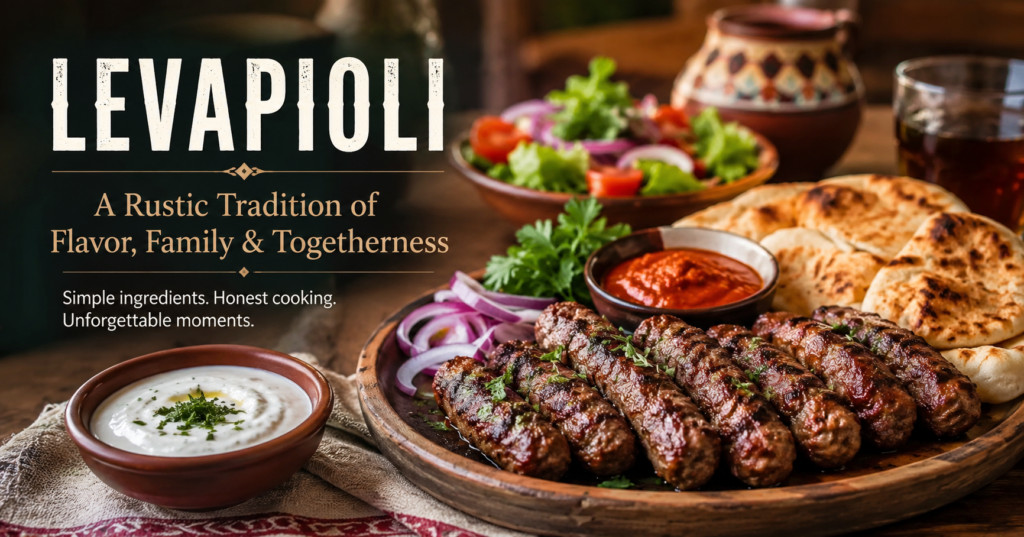

Food has always been more than nourishment. Across generations and cultures, meals have served as moments of connection, celebration, and storytelling. Among the many culinary traditions that reflect these values, Levapioli stands out as a symbol of comfort, simplicity, and shared experience. Rooted in rustic cooking traditions, this dish has become admired for its welcoming character and rich, satisfying flavor profile.
What makes this culinary idea especially appealing is its flexibility. It can feel equally at home during a quiet family dinner or at a lively outdoor gathering filled with laughter and conversation. Rather than relying on complicated methods or extravagant ingredients, it embraces balance, warmth, and authenticity. Every preparation carries a personal touch, making the experience memorable for both the cook and the people gathered around the table.
Over time, Levapioli has evolved into more than a single recipe. It now represents a broader appreciation for traditional cooking methods and meaningful dining experiences. As modern lifestyles continue to move quickly, many people are rediscovering the comfort found in simple dishes prepared with care. This growing appreciation has helped the tradition remain relevant while encouraging new interpretations that reflect changing tastes and cultural influences.
Also Read: Brilliant Smoothiepussit Ideas for Modern Lifestyles
The Origins and Cultural Meaning of Levapioli
The story behind Levapioli is deeply connected to the traditions of communal dining and rustic hospitality. While interpretations vary across regions and households, the dish is commonly associated with gatherings where food serves as the center of social connection. Families would prepare meals slowly, allowing flavors to develop naturally while conversations unfolded around kitchens, courtyards, or open grills. This connection between cooking and togetherness remains one of the most enduring parts of the tradition.
Historically, rustic dishes often emerged from practical cooking methods that made the most of locally available ingredients. Levapioli reflects this philosophy by emphasizing approachable flavors and adaptable preparation styles. In many communities, recipes evolved according to seasonal ingredients, regional customs, and family preferences. This flexibility helped preserve the spirit of the dish while allowing each generation to add something unique to the experience.
Beyond its culinary role, the tradition carries emotional significance for many people. Meals inspired by Levapioli often symbolize warmth, generosity, and familiarity. The aroma of food cooking slowly over heat, the sound of shared conversation, and the relaxed atmosphere surrounding the table all contribute to its lasting appeal. In this way, the dish becomes more than food alone; it becomes part of cultural memory and identity.
Why Rustic Food Traditions Continue to Matter
In a world increasingly shaped by convenience and fast-paced routines, many people are returning to foods that feel authentic and comforting. Rustic traditions provide a sense of stability because they emphasize care, patience, and connection. Levapioli reflects these values through its uncomplicated preparation style and welcoming atmosphere. The experience encourages people to slow down and enjoy meals as meaningful moments rather than hurried necessities.
Another reason rustic cuisine remains popular is its emotional accessibility. Complex dishes can sometimes feel intimidating, but traditional comfort foods invite participation from cooks of all experience levels. Preparing meals inspired by Levapioli often feels approachable because the focus remains on flavor, balance, and enjoyment rather than perfection. This openness allows people to experiment while still respecting the spirit of the tradition.
The continued popularity of communal dining also supports the appeal of rustic culinary culture. Many people long for opportunities to reconnect with family and friends in more personal ways. Shared meals naturally create space for storytelling, laughter, and conversation. As a result, dishes associated with warmth and familiarity continue to resonate across generations, especially in environments where human connection is increasingly valued.
The Signature Flavors That Define the Experience
One of the most recognizable aspects of Levapioli is its balanced flavor profile. Rather than overwhelming the palate with excessive richness or intense seasoning, the dish typically emphasizes harmony between savory, smoky, and aromatic elements. This balance creates a satisfying experience that feels comforting without becoming heavy. The result is a meal that encourages slow enjoyment and lingering conversation around the table.
Texture also plays an important role in shaping the overall experience. Rustic cooking traditions often celebrate contrasts between crisp exteriors, tender interiors, and fresh accompaniments. These combinations create a sense of variety that keeps every bite interesting while maintaining a cohesive identity. Simple ingredients prepared thoughtfully can achieve remarkable depth when cooked with patience and attention to detail.
Another defining characteristic is the aroma associated with preparation. The scent of herbs, grilled ingredients, and slow cooking contributes significantly to the emotional impact of the meal. Smell has a powerful connection to memory, and many people associate rustic dishes with childhood gatherings, family celebrations, or outdoor cooking experiences. This sensory connection helps explain why foods inspired by Levapioli often leave such a lasting impression.
How Levapioli Adapts Across Different Kitchens
One reason this culinary tradition continues to thrive is its remarkable adaptability. Different households often interpret the dish according to local ingredients, dietary preferences, and regional influences. Some versions may lean toward smoky grilled flavors, while others emphasize herbs, vegetables, or hearty accompaniments. This flexibility allows cooks to preserve the spirit of the tradition without feeling restricted by rigid expectations.
Modern kitchens have also influenced the way people prepare rustic meals. Traditional cooking methods once relied heavily on open flames, stone ovens, or outdoor grilling spaces. Today, home cooks recreate similar flavors using contemporary equipment while still maintaining the comforting essence of the dish. This blend of old and new demonstrates how culinary traditions can evolve without losing their identity.
Adaptability also makes the dish appealing to a wide audience. Families can prepare variations that suit casual weeknight dinners, festive celebrations, or seasonal gatherings. Because the preparation style welcomes creativity, each version reflects the personality and preferences of the cook. This personal connection strengthens the emotional value of the meal and keeps the tradition alive across generations.
Also Read: Bitni Spirs: The Brilliant Burger Trend in Belgrade
Traditional Ingredients and Their Role
The ingredients commonly associated with Levapioli reflect the simplicity that defines many rustic culinary traditions. Fresh herbs, grilled components, aromatic spices, and hearty staples often form the foundation of the dish. These ingredients work together to create layered flavors without relying on unnecessary complexity. The emphasis remains on freshness, balance, and natural taste.
Regional availability has historically shaped ingredient choices as well. Communities often relied on what could be grown locally or sourced seasonally, leading to subtle variations between households and regions. This connection to local ingredients contributed to the authenticity and individuality of each preparation. Even today, many cooks continue to adapt recipes according to what is freshest and most accessible.
The following table highlights several ingredients frequently associated with rustic-style preparations inspired by this tradition and the qualities they contribute to the overall experience.
| Ingredient | Culinary Contribution | Common Use |
|---|---|---|
| Fresh Herbs | Adds aroma and brightness | Garnishing and seasoning |
| Grilled Proteins | Creates smoky depth | Main centerpiece |
| Rustic Bread | Provides texture and balance | Side accompaniment |
| Roasted Vegetables | Enhances sweetness and warmth | Complementary serving |
| Olive Oil | Adds richness and smoothness | Cooking and finishing |
| Garlic and Onion | Builds savory foundation | Flavor base |
| Yogurt or Sauces | Introduces creaminess | Dipping or pairing |
These ingredients may vary depending on personal interpretation, but they all support the comforting and approachable nature of the dish. Their simplicity demonstrates how carefully combined basics can create deeply satisfying meals that resonate emotionally as well as physically.
The Social Atmosphere Surrounding the Dish of Levapioli
Food traditions become meaningful not only because of flavor but because of the experiences attached to them. Levapioli is often connected with environments where people gather informally and comfortably. Outdoor grills, shared platters, and long conversations are commonly associated with this style of dining. The atmosphere encourages relaxation and connection rather than rigid formality.
Meals inspired by rustic traditions often unfold slowly. Rather than rushing through courses, people linger around the table, sharing stories and enjoying each other’s company. This slower pace creates stronger social bonds and allows food to become part of a larger communal experience. In many ways, the emotional value of the gathering becomes just as important as the meal itself.
Celebratory occasions also contribute to the popularity of these traditions. Family reunions, festivals, and seasonal events frequently include dishes that can be prepared for groups and enjoyed collectively. The comforting qualities associated with Levapioli make it particularly suitable for these moments because it creates a welcoming environment that encourages participation and togetherness.
Modern Interpretations and Contemporary Appeal of Levapioli
As culinary trends evolve, many traditional dishes are finding new audiences through creative reinterpretations. Levapioli has adapted successfully because its core identity is flexible enough to welcome experimentation while still honoring its rustic roots. Contemporary chefs and home cooks often explore lighter ingredients, fusion flavors, or modern presentation styles without losing the comforting essence that defines the tradition.
Health-conscious dining habits have also influenced modern interpretations. Many people now prefer meals that feel nourishing while still delivering rich flavor and satisfaction. Rustic food traditions naturally align with this preference because they often emphasize fresh ingredients, balanced portions, and straightforward preparation methods. This connection helps explain why the dish continues to attract interest among younger generations.
Social media and digital food culture have further contributed to the growing visibility of rustic dining experiences. Images of shared platters, outdoor gatherings, and handcrafted meals resonate strongly with audiences seeking authenticity and comfort. Even in modern settings, people continue to appreciate culinary experiences that feel grounded, personal, and emotionally meaningful.
Why Comfort Food Holds Emotional Power of Levapioli
Comfort foods occupy a unique place in human experience because they connect flavor with emotion and memory. Meals associated with family gatherings or childhood experiences often become deeply comforting later in life. Levapioli reflects this emotional dimension by emphasizing warmth, familiarity, and togetherness. The dish creates an environment where people feel welcomed and connected.
Psychologically, comforting meals can provide reassurance during stressful or uncertain times. Familiar flavors and shared dining experiences create a sense of stability that many people naturally seek. Rustic cooking traditions support this feeling by prioritizing simplicity and authenticity rather than novelty alone. The result is a dining experience that feels emotionally grounding and satisfying.
Another important factor is the role of ritual in meal preparation. Cooking slowly, gathering ingredients, and sharing food with others create routines that carry emotional meaning. These rituals strengthen relationships and reinforce cultural identity. As a result, dishes inspired by Levapioli continue to resonate because they combine sensory enjoyment with emotional connection and tradition.
The Future of Levapioli in Modern Food Culture
As people continue searching for meaningful dining experiences, rustic culinary traditions are likely to remain influential. Levapioli represents values that feel increasingly important in contemporary life, including authenticity, community, and balance. These qualities appeal to individuals who want meals to provide more than convenience alone. The growing appreciation for slower, more intentional dining experiences supports the continued relevance of the tradition.
Future interpretations may continue blending traditional methods with modern creativity. New ingredients, dietary preferences, and cultural influences will likely shape how cooks approach the dish while preserving its central themes of warmth and shared enjoyment. This ability to evolve without losing identity is one of the reasons the tradition remains compelling across different generations and lifestyles.
The enduring popularity of communal dining also suggests that rustic food traditions will continue thriving in both homes and restaurants. People naturally seek opportunities to gather, celebrate, and connect through meals. Dishes inspired by Levapioli provide an ideal setting for these experiences because they prioritize comfort, hospitality, and emotional richness alongside satisfying flavor.
Also Read: Kouskousi: A Delicious Journey Through Tradition
Conclusion
Levapioli represents far more than a single dish. It reflects a philosophy of cooking and dining centered on warmth, simplicity, and human connection. Through its rustic character and adaptable nature, the tradition has continued to resonate with people who value meals that feel comforting, honest, and memorable. Its appeal lies not in extravagance but in the ability to bring people together through shared experiences and approachable flavors.
As culinary trends continue to evolve, traditions rooted in authenticity often remain the most enduring. The emotional power of comforting meals, the social atmosphere surrounding communal dining, and the flexibility of rustic cooking all contribute to the lasting relevance of this tradition. Whether prepared in a modern kitchen or enjoyed around an outdoor gathering, the spirit of the dish continues to inspire connection and creativity.
Ultimately, the enduring charm of Levapioli comes from its balance between heritage and personal expression. Every preparation reflects both tradition and individuality, ensuring that the experience remains meaningful across generations. In a rapidly changing world, this combination of familiarity, adaptability, and shared enjoyment gives the tradition a timeless quality that continues to captivate food lovers everywhere.
FAQs
What is Levapioli?
Levapioli is a rustic culinary tradition associated with comforting flavors, shared meals, and communal dining experiences. It emphasizes simplicity, warmth, and adaptable preparation styles.
Is Levapioli connected to a specific region?
The concept is often described with Mediterranean or rustic European influences, although interpretations can vary depending on local traditions and personal creativity.
What makes this dish unique?
Its uniqueness comes from its balance of comforting flavors, social atmosphere, and flexibility. Each cook can create a personalized version while preserving the dish’s traditional spirit.
Can Levapioli be prepared in modern kitchens?
Yes, modern kitchens can easily adapt the preparation using contemporary cooking methods while still maintaining the rustic and comforting qualities associated with the tradition.
Why do people enjoy rustic food traditions?
Rustic dishes often create emotional comfort because they emphasize shared experiences, familiar flavors, and meaningful social connections around the table.