
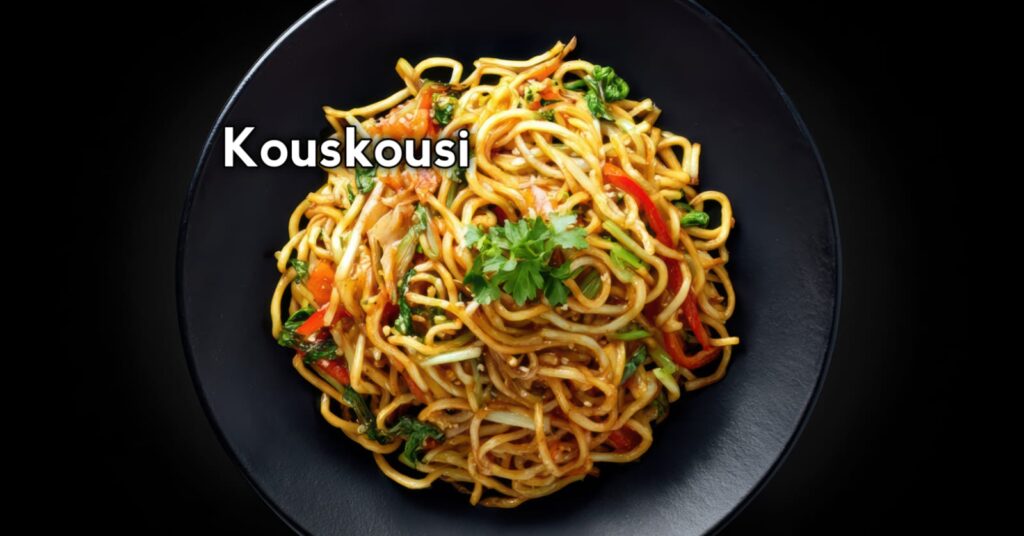

Food often tells stories that stretch across generations, cultures, and landscapes. Some dishes become symbols of comfort and identity because they connect people to family traditions and shared experiences. Kouskousi is one of those remarkable dishes that continues to inspire curiosity among food lovers around the world. Its warm flavors, rich textures, and cultural roots make it far more than a simple meal.
For many families, this dish represents hospitality and togetherness. It is commonly prepared during gatherings, celebrations, and important family events where everyone shares food from a large communal serving. The preparation process itself can become a social activity, with relatives contributing ingredients, spices, and techniques that have been passed down for decades.
Today, interest in traditional Mediterranean and North African cuisine has grown significantly, bringing renewed attention to recipes that were once known mainly within local communities. As travelers, chefs, and home cooks explore authentic regional dishes, more people are discovering the unique charm and comforting qualities associated with this culinary tradition.
The Origins and Historical Roots of Kouskousi
The history of Kouskousi can be traced to North African culinary traditions that developed over centuries through trade, migration, and cultural exchange. Historians often connect the dish to Berber communities, whose cooking methods relied heavily on grains, seasonal vegetables, aromatic herbs, and slow-cooked ingredients. These communities valued meals that were filling, nourishing, and suitable for sharing among large families.
As trade routes expanded across the Mediterranean region, ingredients and cooking styles traveled from one area to another. Merchants introduced new spices, preservation methods, and culinary ideas that gradually shaped regional cuisine. Over time, local cooks adapted the dish according to available ingredients, creating distinct versions in Morocco, Algeria, Tunisia, Libya, and neighboring areas. Even though each region developed its own approach, the spirit of hospitality remained central to the tradition.
The dish also became associated with important social customs and ceremonies. Families often prepared it during weddings, religious celebrations, harvest gatherings, and community events because it symbolized abundance and unity. The long cooking process encouraged patience and cooperation, turning the meal into an experience that strengthened relationships and preserved cultural identity through generations.
The Ingredients That Define Its Unique Flavor
One of the reasons this traditional dish continues to attract attention is the balance of ingredients used to create its comforting flavor. Semolina grains often serve as the foundation, providing a light texture that absorbs sauces and spices beautifully. Vegetables such as carrots, zucchini, onions, tomatoes, and chickpeas are commonly included to add color, nutrition, and depth to the meal.
Spices play a major role in shaping the dish’s distinctive taste. Cumin, coriander, cinnamon, turmeric, paprika, and black pepper are frequently combined to produce a warm and aromatic profile that feels both earthy and inviting. Some families prefer a mild flavor, while others create richer and more intense spice blends depending on regional traditions and personal preference.
Protein choices can vary widely based on geography and household customs. Lamb and chicken are especially popular because they complement the spices and slow-cooked vegetables effectively. In coastal communities, seafood versions sometimes appear, while vegetarian preparations remain common in homes that emphasize seasonal produce and plant-based ingredients. This flexibility allows the meal to adapt naturally to different tastes and lifestyles.
The Cultural Importance of Kouskousi in Family Life
Food traditions often become powerful expressions of belonging, and this dish carries deep emotional value for many communities. Preparing it is rarely viewed as a rushed activity because the process encourages conversation, cooperation, and shared responsibility. Older family members frequently teach younger generations how to steam the grains correctly, balance the spices, and create sauces with the right consistency.
Meals centered around Kouskousi are also strongly connected to hospitality. Guests are often welcomed with generous servings, fresh bread, and tea, creating an atmosphere of warmth and openness. In many households, serving this meal to visitors is considered a sign of respect and kindness because it reflects the effort and care invested in preparation.
The dish also appears during festivals and religious occasions, where large communal servings reinforce feelings of unity and celebration. Sharing food from a central platter encourages interaction and reminds participants that meals are meant to be experienced together. Even in modern urban settings, many families continue these customs because they provide comfort and continuity in rapidly changing societies.
How Kouskousi Is Traditionally Prepared
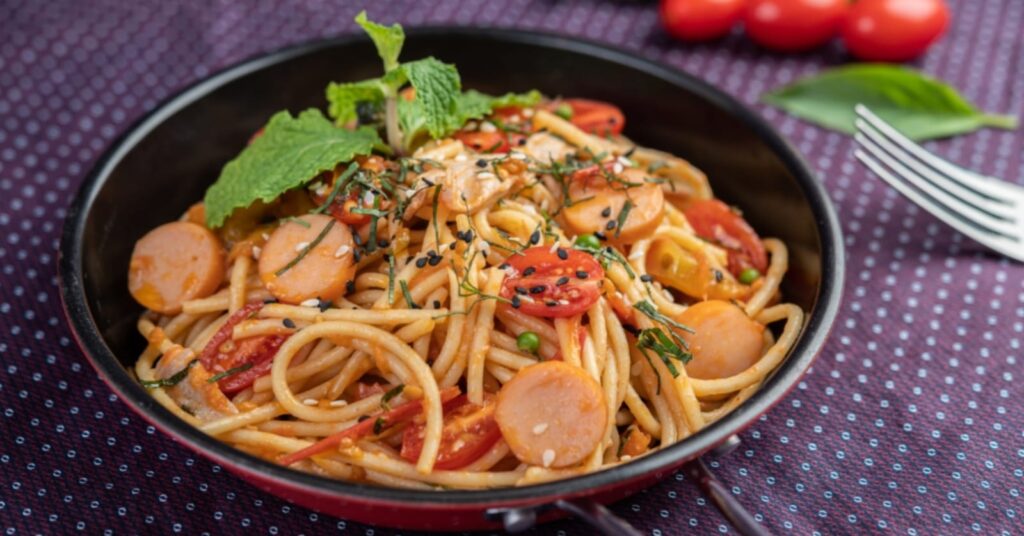
Traditional preparation methods require patience and attention to detail, which is one reason the dish is highly respected among experienced cooks. The semolina grains are often steamed multiple times to achieve a light and fluffy texture instead of becoming dense or sticky. During each stage, the grains are separated carefully by hand and lightly moistened to maintain consistency.
The vegetables and proteins are usually cooked slowly in a richly seasoned broth that allows the flavors to blend naturally. Slow cooking helps tenderize the meat while giving the vegetables enough time to absorb spices without losing their structure. The final result is a layered combination of textures and aromas that feels both hearty and refined.
| Element | Traditional Role | Common Ingredients |
|---|---|---|
| Base | Provides texture and absorbs flavor | Semolina grains |
| Vegetables | Adds color and nutrition | Carrots, zucchini, onions |
| Protein | Creates richness and depth | Lamb, chicken, seafood |
| Spices | Builds aroma and warmth | Cumin, turmeric, paprika |
| Broth | Brings all flavors together | Stock, herbs, tomatoes |
In many homes, presentation is considered just as important as cooking technique. The grains are arranged carefully on a large serving dish, while vegetables and meat are layered on top in an appealing way. Extra broth may be served separately so diners can adjust the richness according to their personal preference, creating a meal that feels interactive and satisfying.
Modern Interpretations and Global Popularity
As international interest in regional cuisine has expanded, traditional dishes from North Africa and the Mediterranean have gained recognition in restaurants and home kitchens around the world. Chefs now experiment with modern interpretations that maintain authentic flavors while incorporating contemporary presentation styles. These adaptations help introduce the dish to new audiences without completely abandoning its cultural roots.
Health-conscious diners have also contributed to its growing popularity because the meal often contains vegetables, grains, and balanced portions of protein. Vegetarian and vegan versions have become especially popular in urban food scenes where people seek comforting meals that still feel nutritious and wholesome. The ability to customize ingredients makes the dish suitable for a wide range of dietary preferences.
Social media and international travel have further increased curiosity about traditional cuisine, encouraging more people to learn about regional cooking methods and cultural stories. Travelers returning from North African countries frequently describe memorable dining experiences centered around communal meals and generous hospitality. These personal experiences help preserve culinary traditions by inspiring others to recreate them at home.
Why Kouskousi Continues to Inspire Food Lovers
One reason this dish remains admired across generations is its ability to combine simplicity with richness. The ingredients are often humble and accessible, yet the final result feels deeply satisfying because of the care involved in preparation. This balance between everyday cooking and meaningful tradition gives the meal a timeless quality that appeals to people from many cultural backgrounds.
Another important factor is the emotional connection created through shared dining experiences. Meals that encourage conversation and togetherness tend to leave lasting memories, and this tradition excels in bringing people together around one table. Whether served during celebrations or ordinary family dinners, the dish creates an atmosphere of comfort that extends beyond flavor alone.
The continued appreciation for traditional cuisine also reflects a growing desire for authenticity in modern food culture. Many people are searching for meals that carry history, identity, and craftsmanship rather than simply offering convenience. Kouskousi represents that connection beautifully by preserving culinary traditions while remaining adaptable enough to fit contemporary lifestyles and tastes.
Conclusion
Kouskousi stands as more than a traditional meal because it represents history, hospitality, and cultural identity woven together through generations of cooking. From its North African roots to its growing international recognition, the dish continues to capture attention through its rich flavors and meaningful traditions. Every stage of preparation reflects patience and care, transforming simple ingredients into something memorable and deeply comforting.
The enduring appeal of this cuisine also comes from its flexibility and ability to unite people around shared experiences. Families adapt recipes according to local ingredients, personal preferences, and regional customs while still preserving the essence of the tradition. This balance between continuity and creativity allows the dish to remain relevant even as culinary trends continue to evolve.
As more people explore global food traditions, interest in authentic and community-centered meals will likely continue to grow. Kouskousi offers exactly that kind of experience by combining nourishment with storytelling, celebration, and connection. Its lasting popularity demonstrates how food can preserve heritage while also creating new memories for future generations.
FAQs
What is Kouskousi made from?
The dish is commonly made with semolina grains, vegetables, spices, and a protein such as lamb or chicken. Different regions may include additional ingredients depending on local traditions.
Is Kouskousi the same as couscous?
The term is closely connected to couscous traditions, although preparation styles and regional interpretations may vary. In some areas, the name may also refer to related Mediterranean pasta dishes.
Is this dish healthy?
It can be a balanced and nutritious meal because it often includes grains, vegetables, legumes, and moderate amounts of protein. Healthiness depends on portion size and cooking methods.
Can vegetarians enjoy Kouskousi?
Yes, vegetarian versions are very common. Many recipes use chickpeas, seasonal vegetables, and flavorful broths instead of meat.
Why is Kouskousi culturally important?
The dish symbolizes hospitality, unity, and family tradition in many North African communities. It is often served during celebrations, religious occasions, and communal gatherings.