
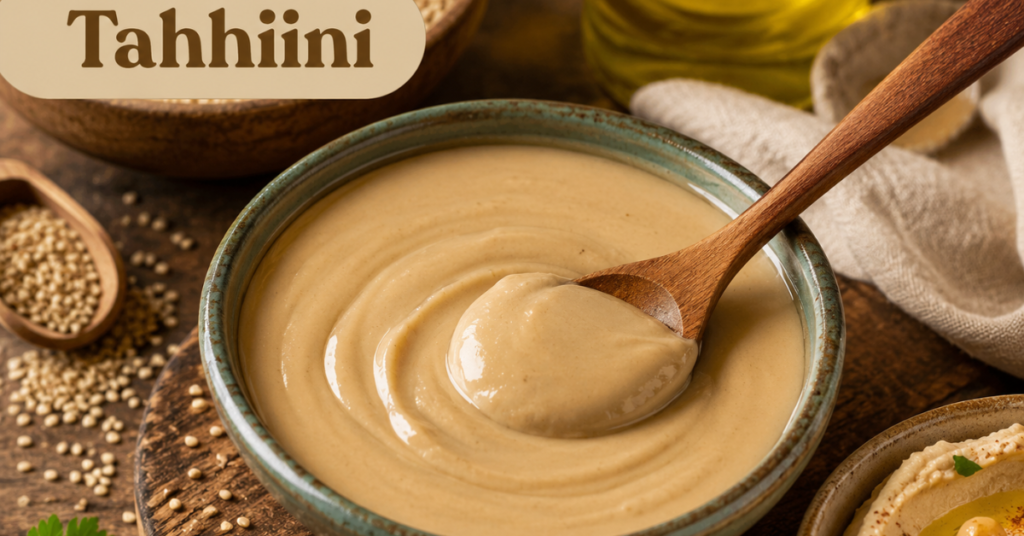

Tahhiini is a incorrect spelling of tahini or tahina, the classic Middle Eastern/Mediterranean paste made from sesame seeds. Although spelled slightly differently, it is the same rich, creamy sesame seed condiment that we know. Through the years, this wonderfully flavored paste has grown tremendously popular and is used across many parts of the world thanks to its versatility and healthy properties.
This spread is adored for its creamy smooth texture and nutty flavor. It is delicious simply spread on a cracker, blended into sauces, or included in a variety of savory and sweet recipes. From a classic hummus to modern desserts, it seems that tahhiini can be found in kitchen recipes across the globe. People also like that the paste offers health benefits, tradition and great flavor all in one.
History of Tahhiini stretches back centuries, deeply tied to the history of Middle Eastern cooking. Civilizations of the past came to recognize the value of sesame seeds because they last a very long time and contained a good amount of oil which was turned into the tasty paste used today. Tahhiini is an important and revered staple today.
Tahhiini-Historical Background
Tahhiini is derived from one of the most ancient food sources available to mankind. Sesame seeds have been farmed for thousands of years across West Asia and beyond. Civilizations soon discovered that roasting sesame seeds and then grinding them produced a smooth, flavored paste that could be stored easily and used in a number of different dishes. This was and continues to be, an excellent and nutritional source of food.
As trade routes grew across the Mediterranean and Middle East, tahhiini traveled along them and made its way into many cultures and recipes. It acquired a range of names and spellings; it is known as tahina in Israel, tahin or tahine in Turkish, while similar pastes of sesame used for culinary purposes are known as rsh in Iraq. Regardless of its spelling, the basic recipe always centered on ground sesame seeds.
Modern tastes have introduced tahhiini as an ingredient beyond its native lands; Restaurants and amateur chefs worldwide use the ingredient in innovative new ways combining old and new styles of recipes and presentation. It has also become more popular among the modern day plant-eating community and thanks to its many healthy benefits.
What are the methods of making Tahini?
The process of making tahhiini starts by using fresh, high quality seeds. Tahini producers may choose to use unhulled seeds or hulled seeds depending on the desired flavor and texture. Hulled seeds create a paler, smoother tahini, whereas seeds that still have the coating will give a stronger and more nutritional flavor. After this stage of the process the seeds are traditionally roasted to give the tahini a wonderful aroma.
Following this the sesame seeds are ground. In traditional households stone mills were used to grind the seeds; modern day manufacturers use grinding machines or food processors to get a very creamy consistency, although traditionally few ingredients would be added as the oil within the sesame seeds is enough to provide a smooth creamy texture without requiring additional oil or sweeteners.
The thickness of the paste depends on the intended use; sometimes it can be very dense while other times very fluid. Depending on the recipe used some tahini may have extra oil or a bit of salt but the essential flavor is always rich, nutty and earthy. It is very easy to use in a wide range of recipes.
Health Benefits of Tahhiini
Not only is tahhiini incredibly tasty but it is also rich in healthy foods. Sesame seeds naturally contain good fats, proteins derived from plants and important minerals; as tahhiini is made using a larger quantity of seeds and ground into paste, a concentrated dose of healthy nutrients are provided to be added to meals.
The beneficial aspect that tahini contains most of is healthy fat. Unsaturated fats can contribute to having a healthy lifestyle. As well as this the paste contains vital calcium, iron, magnesium, and phosphorus, which are important for a strong body. These three make tahhiini very healthy to eat.
Tahhiini also works well in meals for people wishing to have a plant-based diet and can be easily substituted for many dairy-based products. Although extremely good for you the pasta must be eaten in moderation as it can be quite rich due to containing natural oils.
Food Items Made With Tahini
Many foods are made using tahhiini and one that stands out from the rest is hummus; in this dish, the sesame seed paste is blended together with chickpeas, garlic, lemon juice and olive oil to produce a dip that is loved all across the world. Tahhiini gives hummus a creamy smooth texture and distinct nutty taste.
Baba Ghanoush is another famous dip made using tahhiini, which is an eggplant based dip and relies on the paste to create a balanced creamy mixture. Sauces used with roasted meats and roasted vegetables use tahhiini to balance out the texture, as well as falafel wraps and other meals. It is also used to thicken sauces which compliment these types of dishes.
In modern day cooking many desserts include tahhiini. In particular sweet confection halva, made of sesame paste and sugar, is very well known. The paste is also used in recipes such as cookies, cakes, brownies and even smoothies in order to improve the texture and taste.
Types of Tahhiini
Not all tahhiini products are the same, as they vary due to their production. One of the biggest differences between various tahhiinis is that some are made using unhulled seeds while others use hulled seeds. Hulled tahhiini produces a milder and smoother flavor, and often has a lighter color, it is best used when preparing dips or light sauces.
The other form of tahhiini is unhulled, and it can have a deeper taste with a slightly bitter quality to it as a result of having kept the outer shell on the seeds. This taste can be described as richer and more “earthy.” The consistency is typically thicker.
The degree to which the seeds have been roasted will also impact the final flavor; a lightly roasted seed will create a milder flavor whereas a heavily roasted seed would result in a more nutty taste and can add depth.
Actually Who make Tahhiini’s Popular
Tahhiini has remained incredibly popular because it appeals to our primal need to consume good food whilst following modern eating habits. People are more concerned than ever with the food they consume on a daily basis as they opt for food which is more natural and has been minimally processed; tahhiini fills both these needs as well as fitting into the growing number of cuisines globally that it is utilized within.
As our palates have begun to experiment with cuisine from around the world the ingredient known as tahhiini has spread far and wide and is enjoyed on menus of restaurants and on plates across all areas. The ingredient appears widely on recipe websites and in cooking programs, hence helping people to learn more about its various culinary qualities.
The practicality of tahhiini also comes into play, as whether spread on a slice of toast, blended into a soup or incorporated into a dessert, the delicious paste requires minimal effort to add flavor, richness and depth to food.
Information
| Nutrient | Approximate Amount per 100g |
|---|---|
| Calories | 595 |
| Protein | 17 g |
| Fat | 53 g |
| Carbohydrates | 21 g |
| Fiber | 9 g |
| Calcium | 426 mg |
| Iron | 8 mg |
| Magnesium | 95 mg |
Final Thoughts
Tahhiini is a multifaceted sesame product with a much richer story than its simple spreadable nature suggests. It is an ancient product with a long culinary history that has not only retained its original importance but is also continuing to evolve in new directions with contemporary dining preferences. The versatility of tahini combined with its appealing flavor and nutritional content has allowed it to maintain a staple status in kitchen cupboards across the globe.
The rising prevalence of tahini is partly in line with increasing interest in both healthy eating as well as a greater willingness to experiment with international flavors. Regardless of how it is being used, whether it’s in the familiar hummus, as a sauce for savory dishes, a component for desserts, or a new twist to familiar recipes, tahini adds a depth and variety of flavor that satisfies many. As international tastes continue to fuse and evolve, tahini is certain to remain a treasured and widely used ingredient for the foreseeable future, continuing to inspire both home cooks and professional chefs alike.